M.Des.
Profile

in the heart of our land

  • Women and children support
  • Gender equality
  • Community workshops
  • Photography and activism
  • Social justice initiatives Nepal
AISWARYA R RAJ
Mr. Amarnath Praful
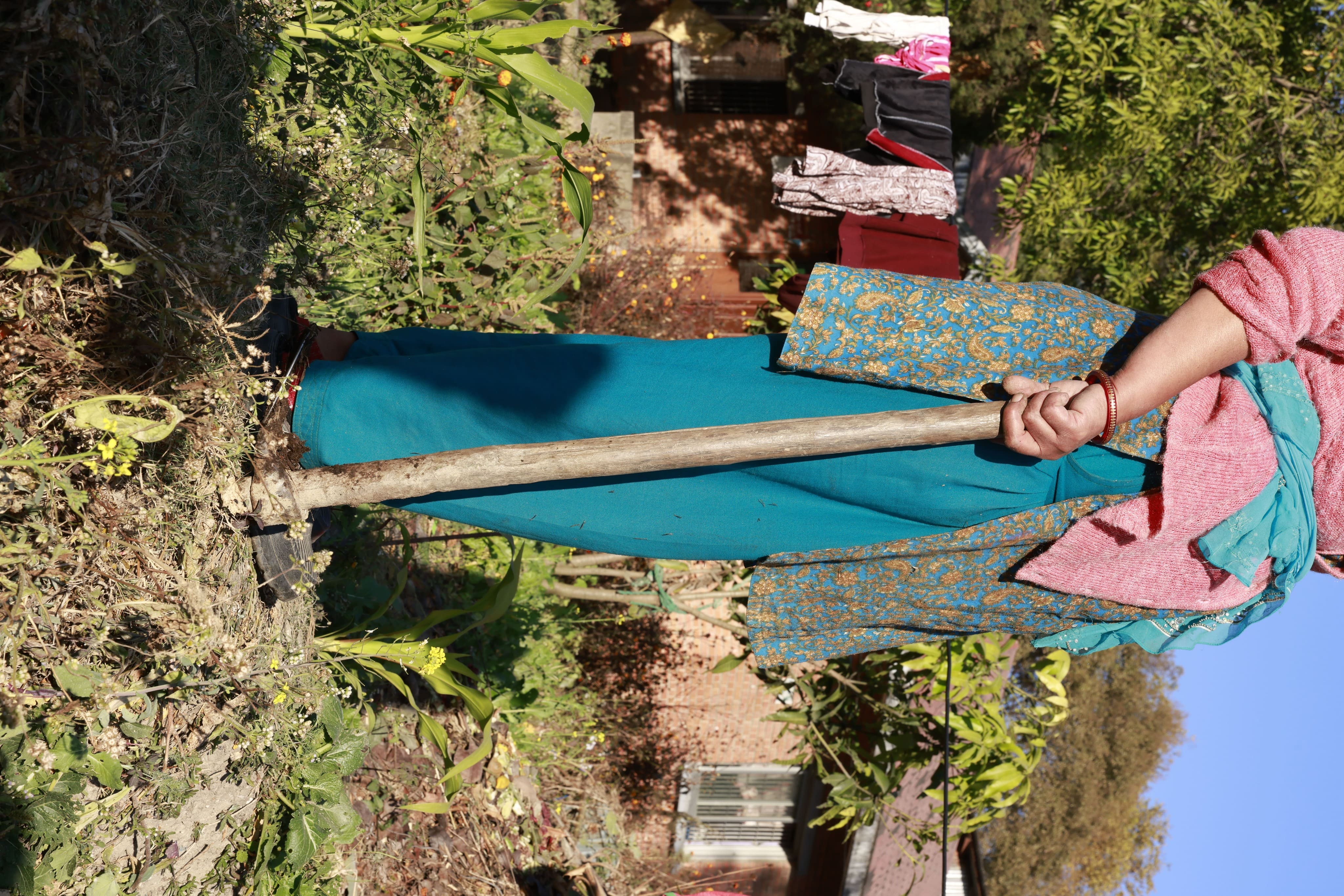
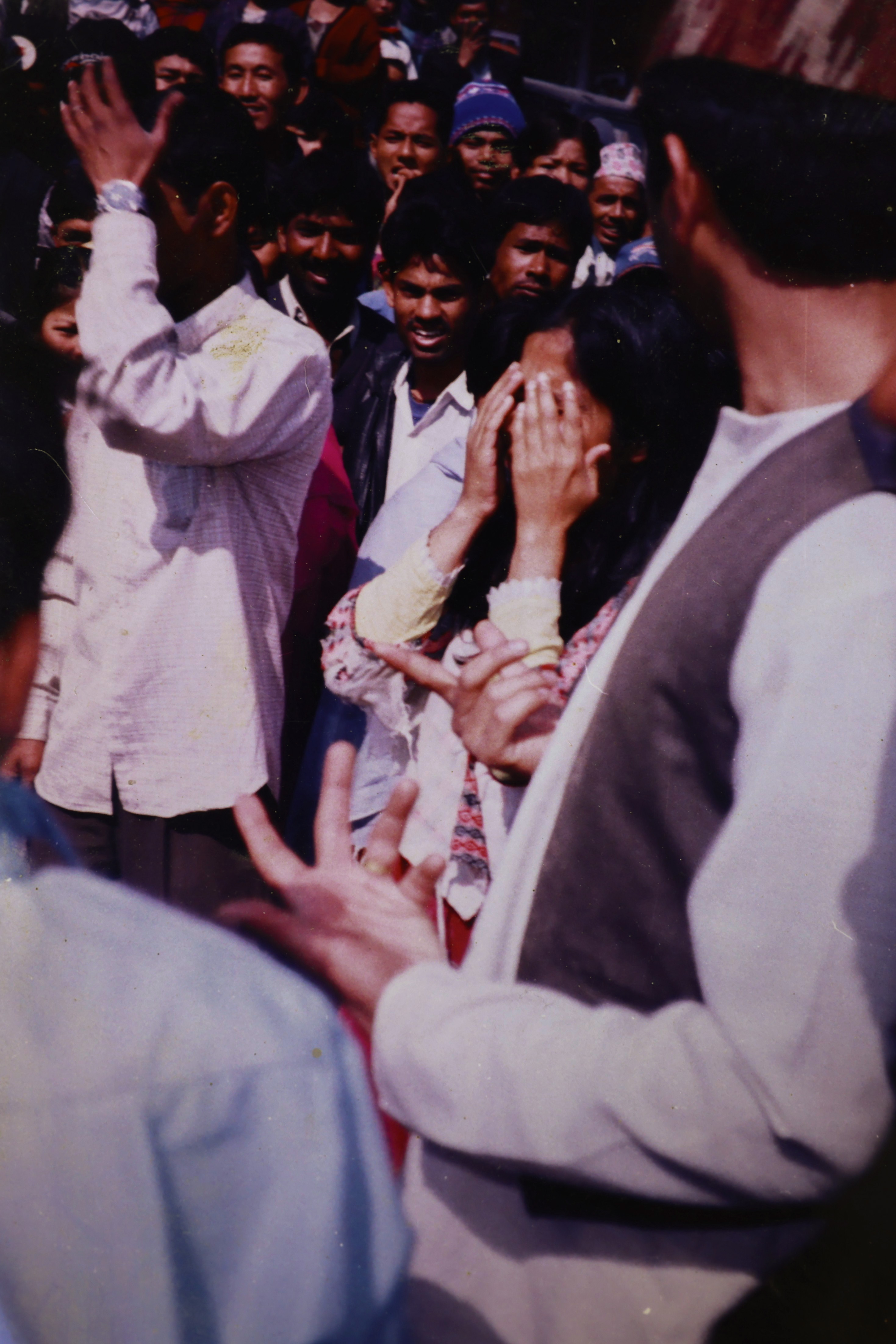
Nepal’s political landscape has seen immense shifts, from the 2008 monarchy abolition to the 2015 democratic constitution, promising equality for women. However, patriarchal biases in citizenship and justice persist, while political instability, with fourteen governments in fifteen years, undermines these reforms. In this fragile context, grassroots organizations like the Women’s Foundation Nepal (WFN) have become essential sites of refuge and resistance. This six-month ethnographic project involved living at WFN’s home in Kathmandu, conducting interviews, and co-creating photographs with women and children. By delving into legal archives, protest imagery, and feminist documentation, the work reveals how political volatility and patriarchal laws shape lived realities. The project acts as a living memory of resilience, exploring strategies used by women to navigate systemic barriers. Ultimately, the photography serves as both a document of survival and a call for change, highlighting the power of grassroots solidarity in an environment of state fragility.
AISWARYA R RAJ
AISWARYA R RAJ
AISWARYA R RAJ
AISWARYA R RAJ
Profile
AISWARYA R RAJ
M.Des.
Mr. Amarnath Praful
in the heart of our land
Nepal’s political landscape has seen immense shifts, from the 2008 monarchy abolition to the 2015 democratic constitution, promising equality for women. However, patriarchal biases in citizenship and justice persist, while political instability, with fourteen governments in fifteen years, undermines these reforms. In this fragile context, grassroots organizations like the Women’s Foundation Nepal (WFN) have become essential sites of refuge and resistance. This six-month ethnographic project involved living at WFN’s home in Kathmandu, conducting interviews, and co-creating photographs with women and children. By delving into legal archives, protest imagery, and feminist documentation, the work reveals how political volatility and patriarchal laws shape lived realities. The project acts as a living memory of resilience, exploring strategies used by women to navigate systemic barriers. Ultimately, the photography serves as both a document of survival and a call for change, highlighting the power of grassroots solidarity in an environment of state fragility.
AISWARYA R RAJ
AISWARYA R RAJ
AISWARYA R RAJ
AISWARYA R RAJ