M.Des.
Profile

Ecological transitions at Bharatpur Bird Sanctuary

  • Bharatpur Bird Sanctuary
  • Ecological Transition
  • Contaminated water
  • Tree Felling
  • Keoladeo National Park
RISHABH KANTHED
Mr. Saurabh Srivastava
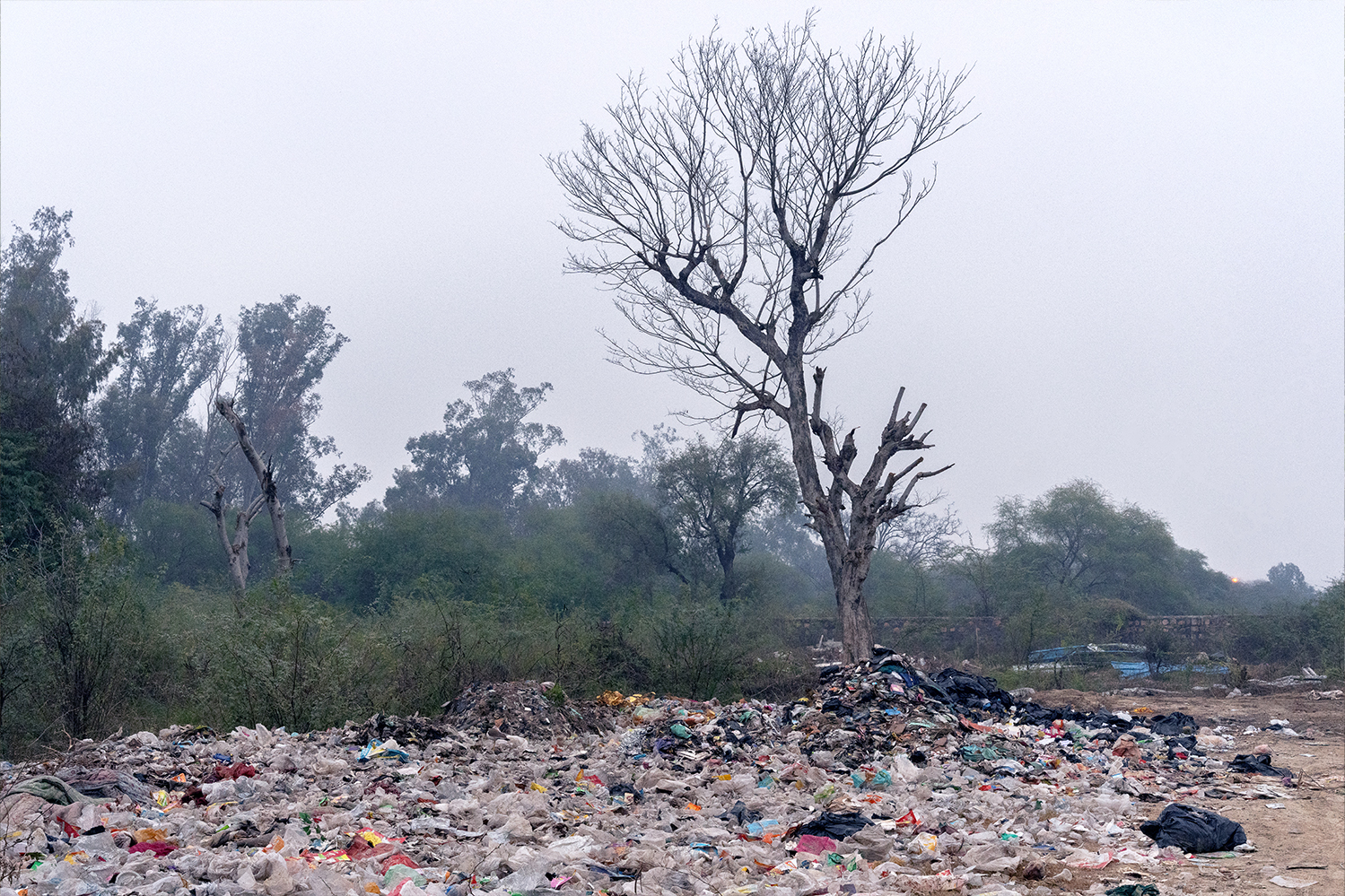
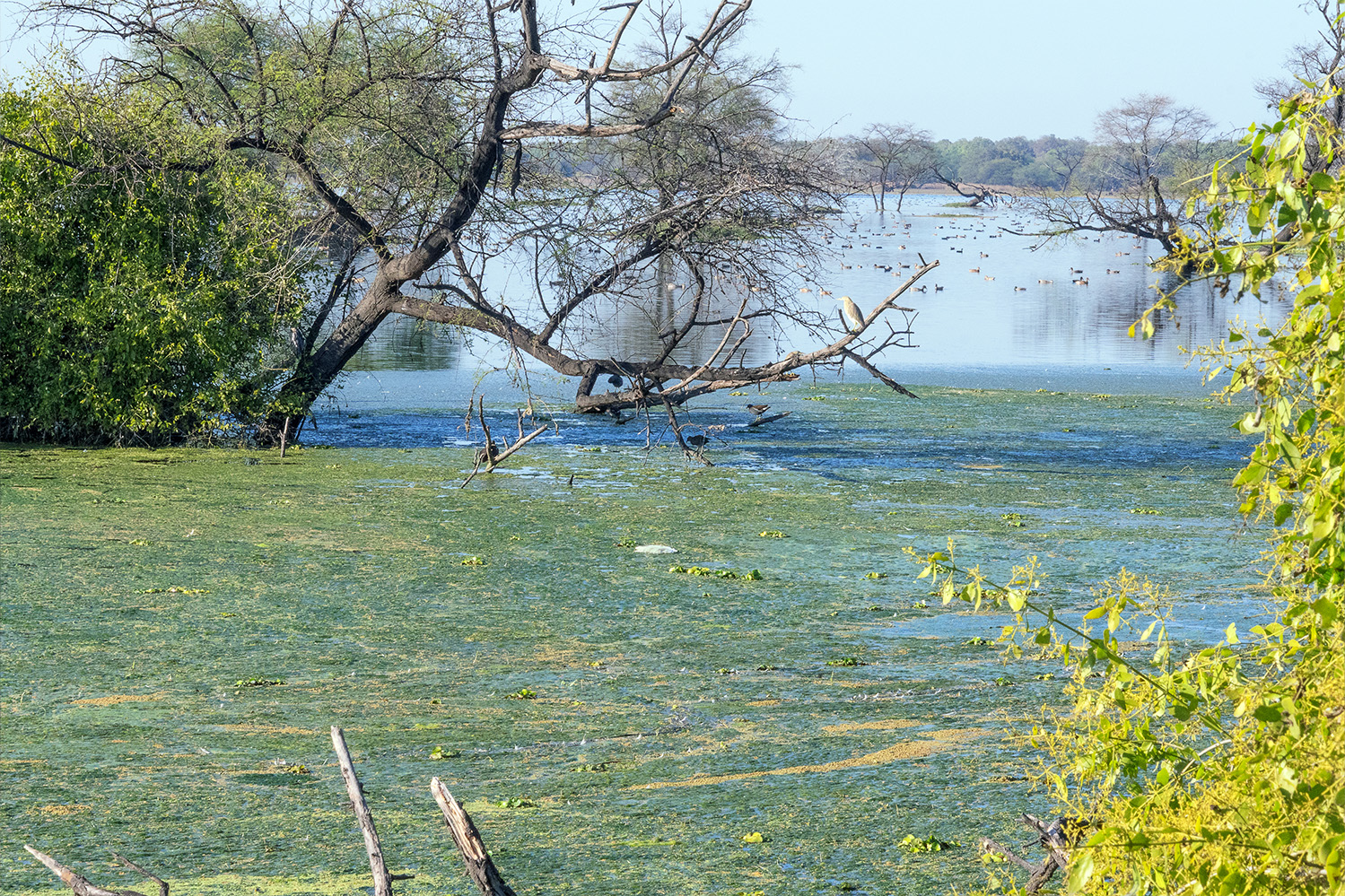
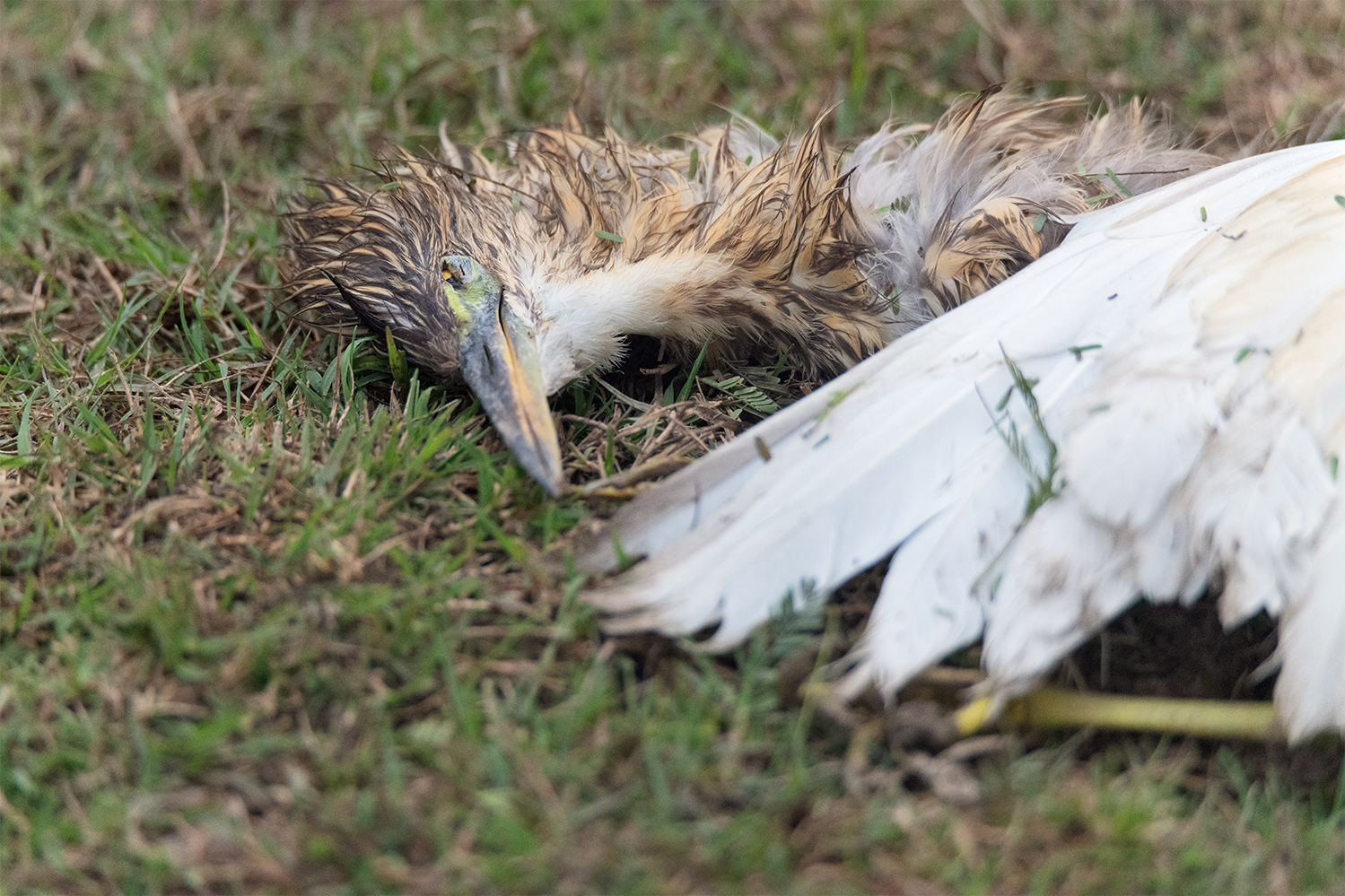
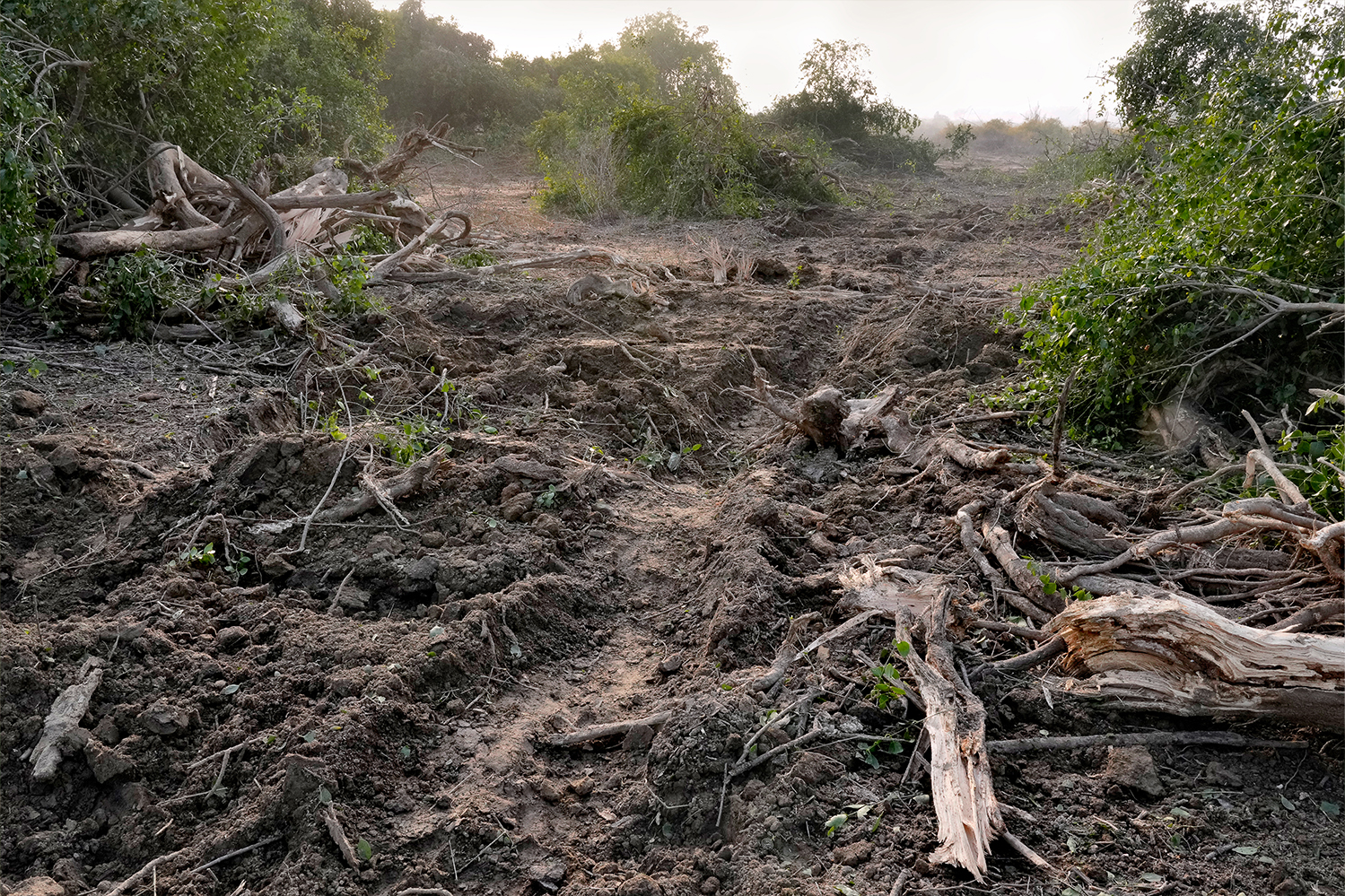
Between 2022 and 2025, Keoladeo National Park (KNP) and the Bharatpur Bird Sanctuary witnessed significant ecological transitions driven by anthropogenic pressures. This project visually documents these environmental concerns, highlighting critical developments like the introduction of contaminated water from the Govardhan Drain. Originating from industrial regions, this effluent has caused mortality among endangered fish, turtles, and birds. Additionally, the project records the felling of trees for infrastructure projects, such as roads and facilities, which has led to habitat fragmentation and disrupted the park's ecological balance. Solid waste accumulation, including plastics dumped near the park’s periphery and within its premises, poses a toxic threat to wildlife ingesting these materials. Through rigorous photographic documentation, the project aims to bring attention to these human-induced threats. By visualizing the impact of pollution and development on this vital sanctuary, the work calls for an urgent reckoning with the state of India's protected natural habitats and their fragile ecosystems.
RISHABH KANTHED
RISHABH KANTHED
RISHABH KANTHED
RISHABH KANTHED
Profile
RISHABH KANTHED
M.Des.
Mr. Saurabh Srivastava
Ecological transitions at Bharatpur Bird Sanctuary
Between 2022 and 2025, Keoladeo National Park (KNP) and the Bharatpur Bird Sanctuary witnessed significant ecological transitions driven by anthropogenic pressures. This project visually documents these environmental concerns, highlighting critical developments like the introduction of contaminated water from the Govardhan Drain. Originating from industrial regions, this effluent has caused mortality among endangered fish, turtles, and birds. Additionally, the project records the felling of trees for infrastructure projects, such as roads and facilities, which has led to habitat fragmentation and disrupted the park's ecological balance. Solid waste accumulation, including plastics dumped near the park’s periphery and within its premises, poses a toxic threat to wildlife ingesting these materials. Through rigorous photographic documentation, the project aims to bring attention to these human-induced threats. By visualizing the impact of pollution and development on this vital sanctuary, the work calls for an urgent reckoning with the state of India's protected natural habitats and their fragile ecosystems.
RISHABH KANTHED
RISHABH KANTHED
RISHABH KANTHED
RISHABH KANTHED