M.Des.
Profile

Gamified Experience for Digital School Assignments

  • Gamified Experience
  • Gamified School Assignments
  • Play in Learning & Education
  • Motivation
  • Engagement
RUCHA NARENDRA BRAHME
Mr. Austin Davis
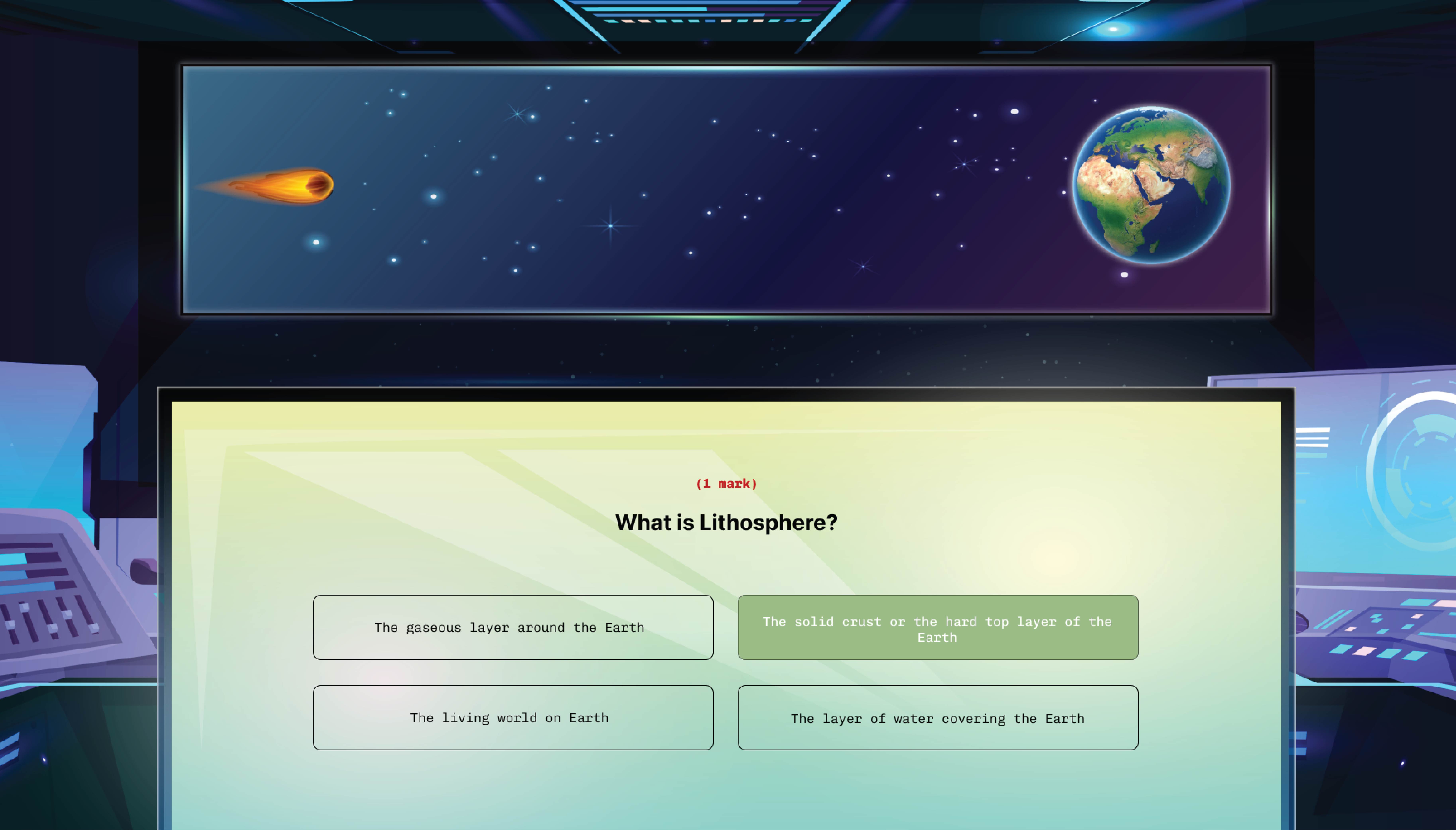
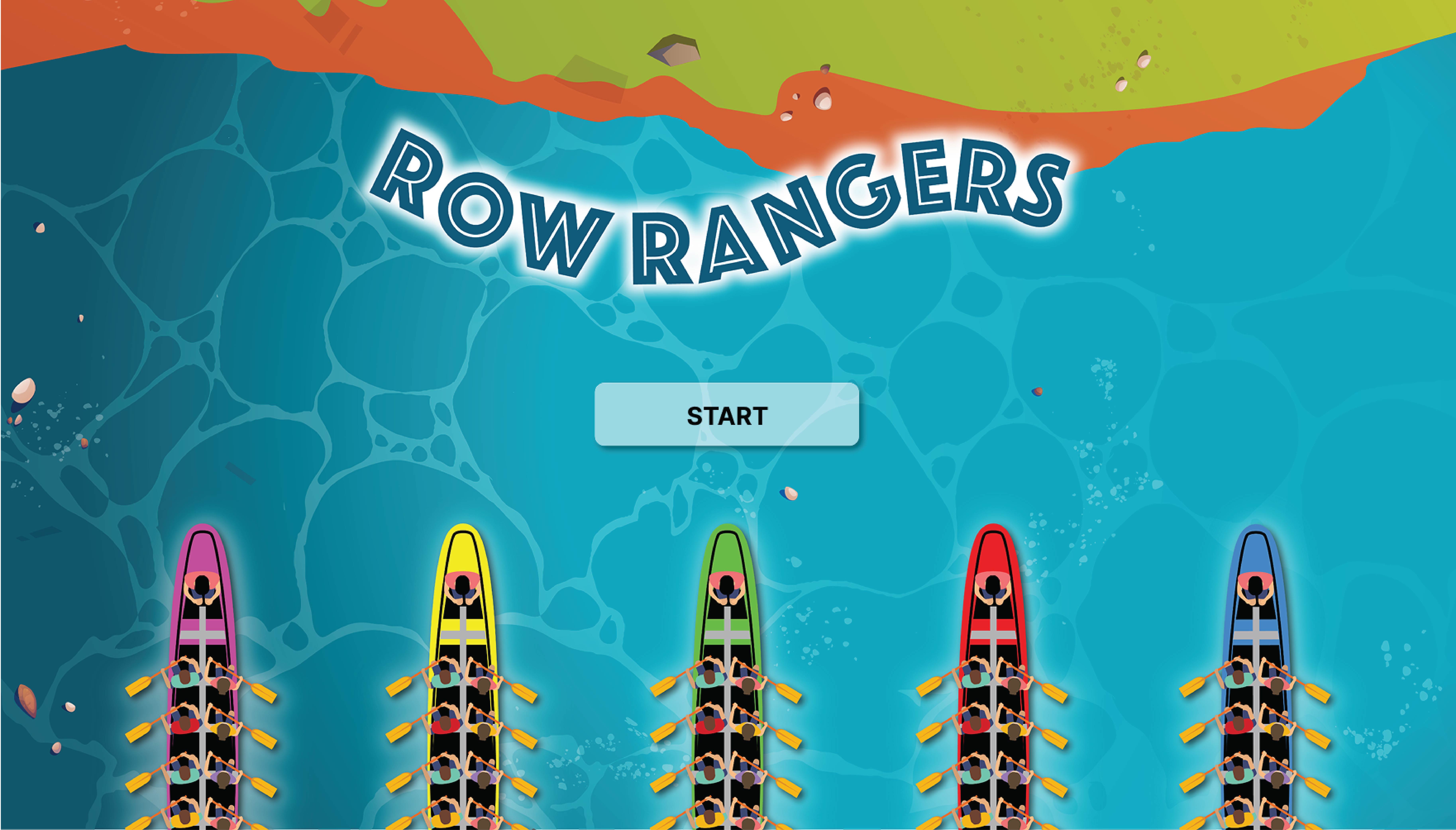
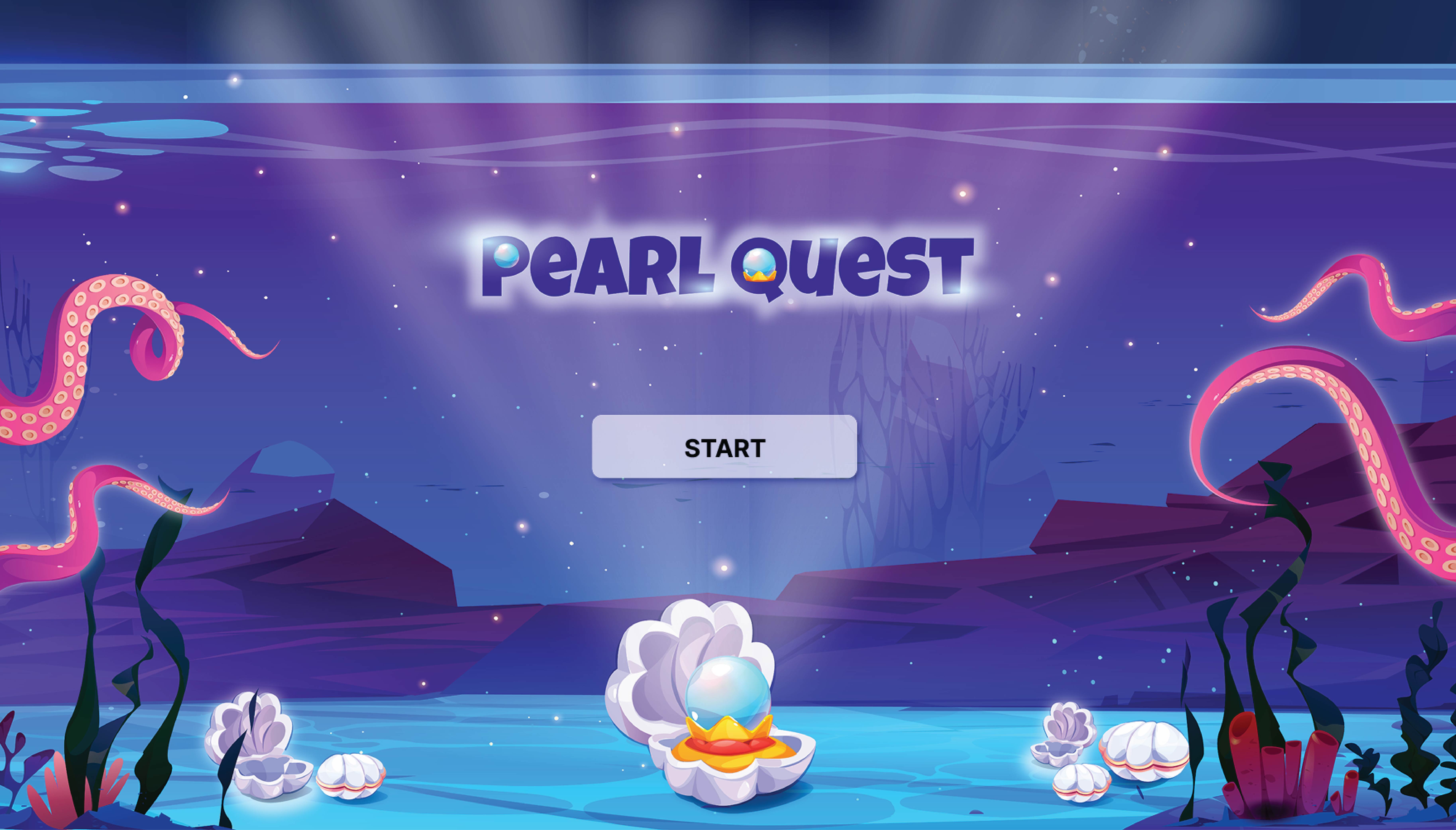
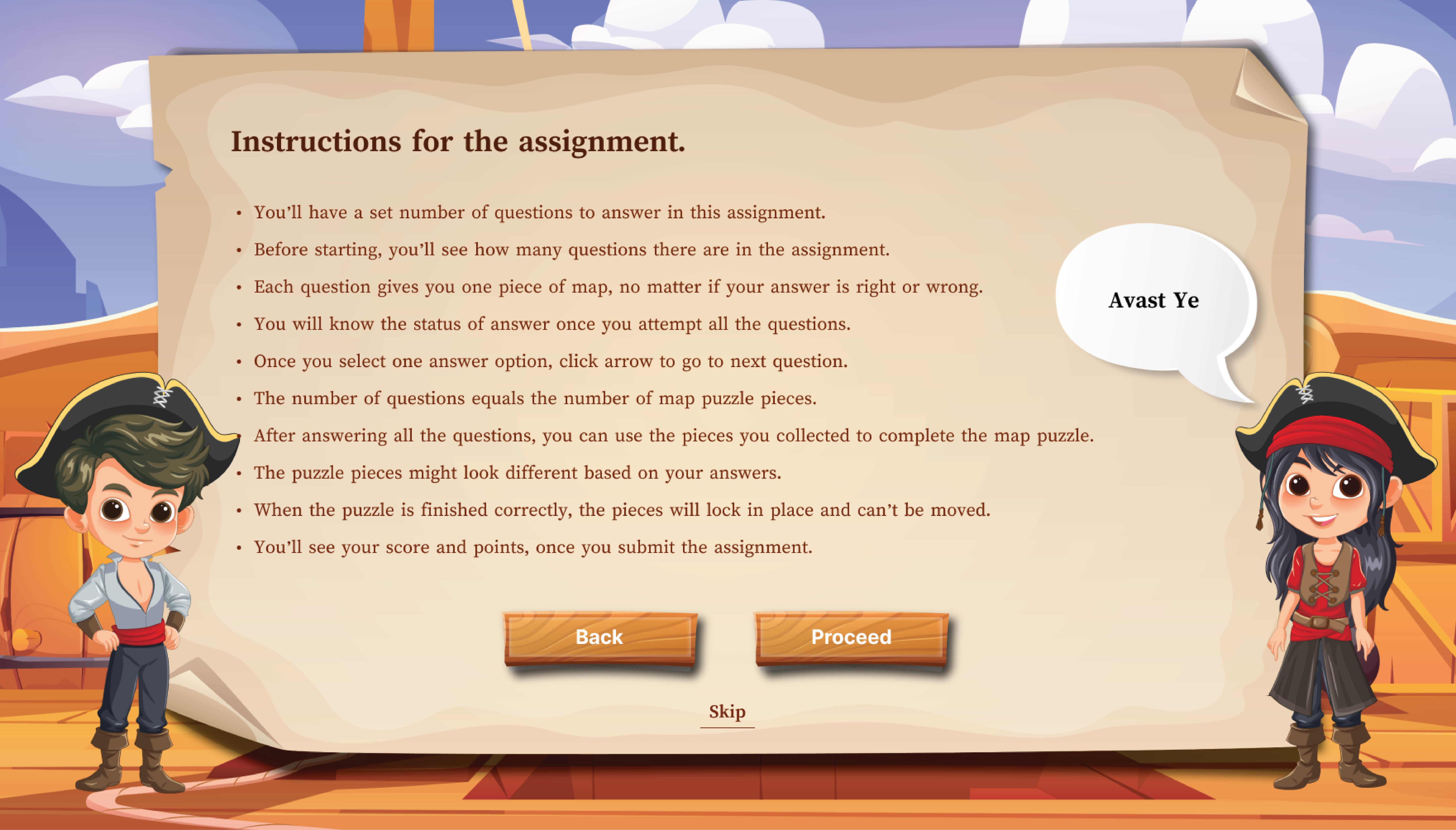
This project explores how gamification can reimagine traditional school assignments as engaging digital learning experiences for students in grades 4 to 8. Challenging the perception of assignments as tedious, it integrates game design elements such as points, rewards, levels, challenges, and narrative to make learning playful and goal-driven. Through stakeholder interviews with students, teachers, and parents, the project identified frustration with existing formats and a strong demand for interactive, visually engaging, and rewarding experiences. Based on these insights, multiple gamified assignment prototypes were developed, including jigsaw puzzles, escape challenges, timed quizzes, bingo-style tasks, and card-based digital activities. Each format balances curricular objectives with engagement, ensuring learning outcomes are met through play. Teacher usability was addressed through flexible tools for creating and customising assignments, supported by a structured points and rewards system. The final outcome demonstrates how gamification can enhance motivation, improve completion rates, and create a more student-centric learning experience.
RUCHA NARENDRA BRAHME
Profile
RUCHA NARENDRA BRAHME
M.Des.
Mr. Austin Davis
Gamified Experience for Digital School Assignments
This project explores how gamification can reimagine traditional school assignments as engaging digital learning experiences for students in grades 4 to 8. Challenging the perception of assignments as tedious, it integrates game design elements such as points, rewards, levels, challenges, and narrative to make learning playful and goal-driven. Through stakeholder interviews with students, teachers, and parents, the project identified frustration with existing formats and a strong demand for interactive, visually engaging, and rewarding experiences. Based on these insights, multiple gamified assignment prototypes were developed, including jigsaw puzzles, escape challenges, timed quizzes, bingo-style tasks, and card-based digital activities. Each format balances curricular objectives with engagement, ensuring learning outcomes are met through play. Teacher usability was addressed through flexible tools for creating and customising assignments, supported by a structured points and rewards system. The final outcome demonstrates how gamification can enhance motivation, improve completion rates, and create a more student-centric learning experience.
RUCHA NARENDRA BRAHME