M.Des.
Profile

Lighting Design for enhanced spatial navigation for people with low vision

  • Inclusive Design
  • Assistive Lighting
  • User-Centric Innovation
  • Wellness & Accessibility
  • Smart Lighting
NAVYA G S
Mr. Balaji Rengarajan
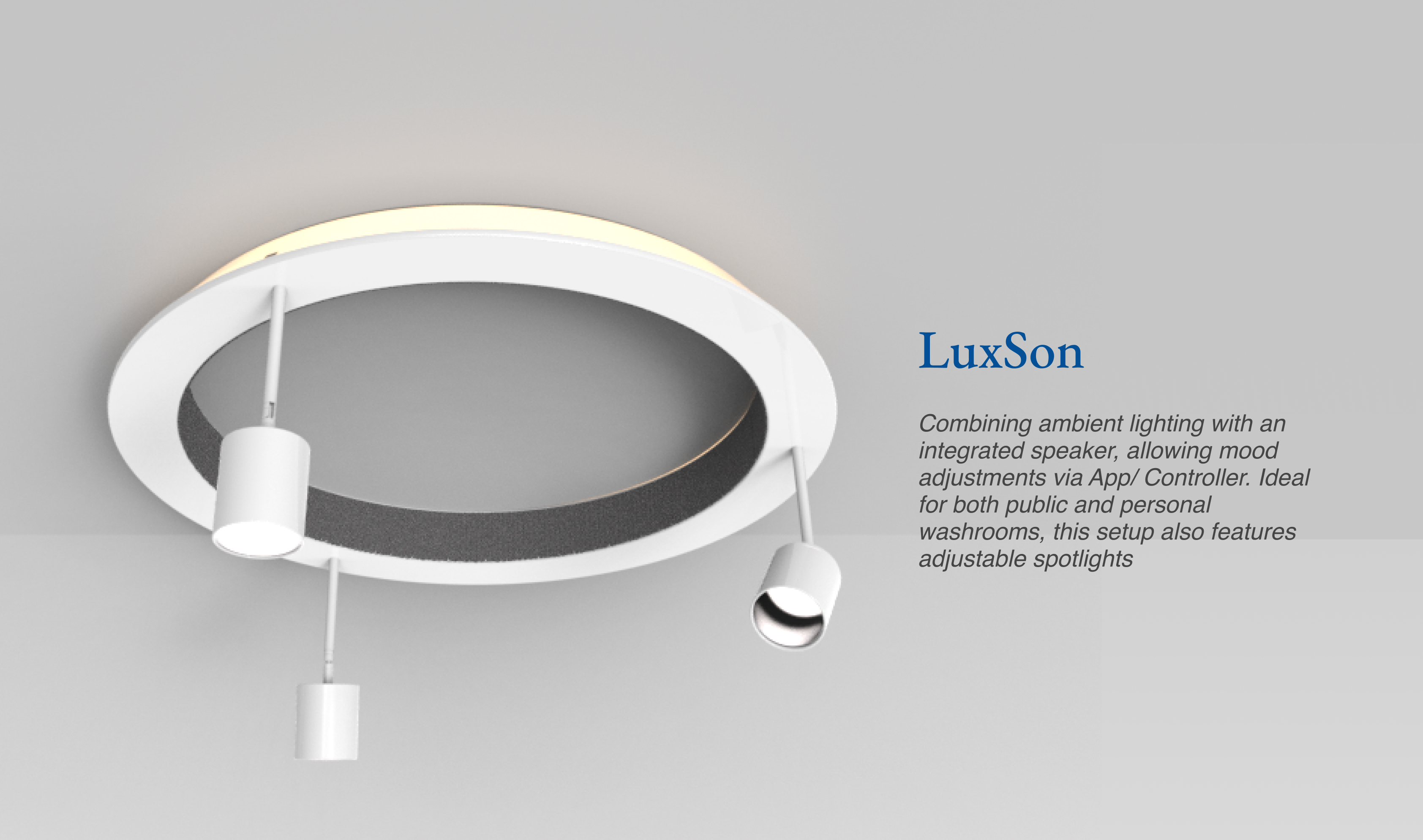
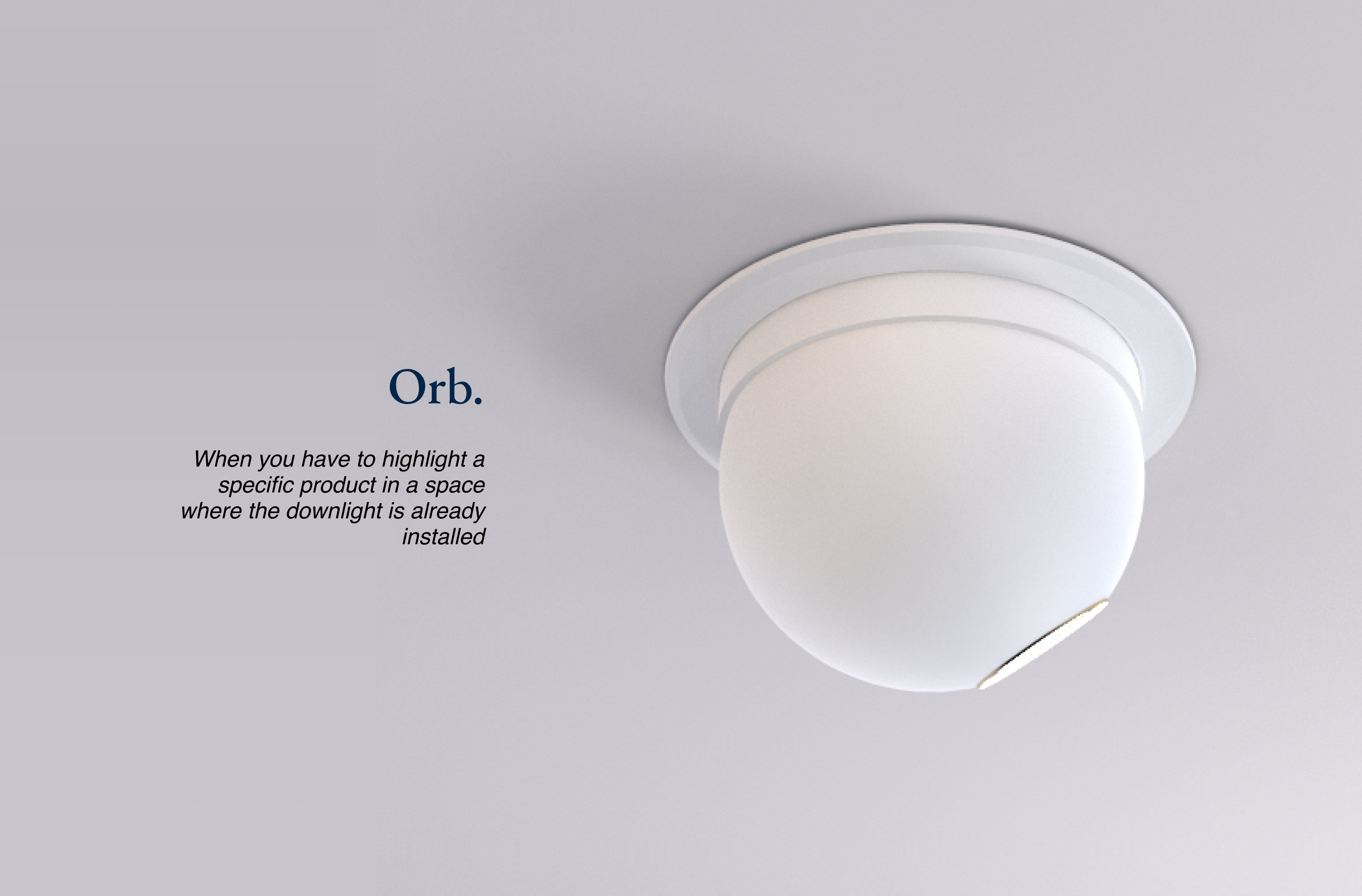
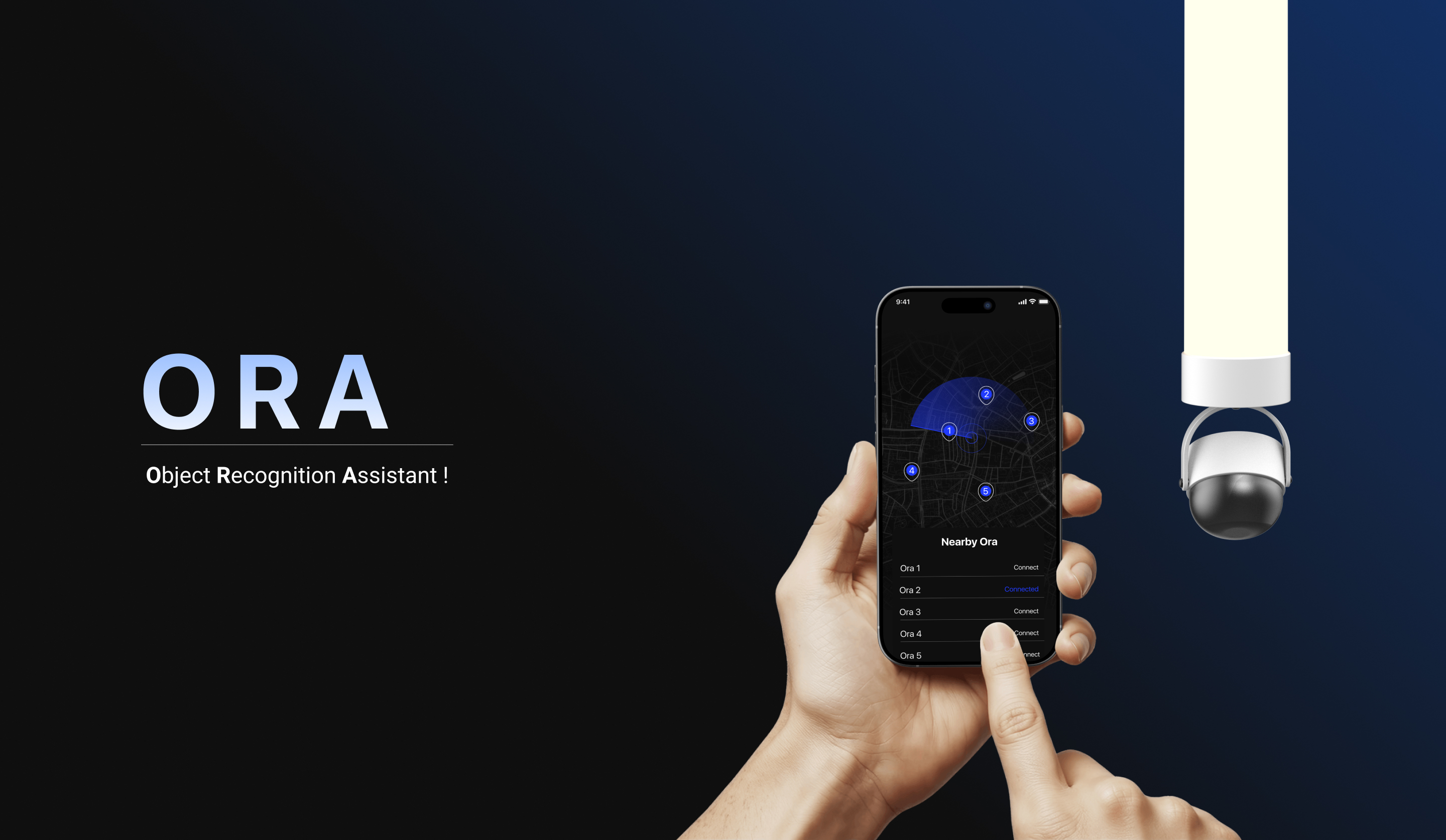
This graduation project, a six-month collaboration with Havells Research and Innovation Centre, explored how design can enhance everyday wellbeing through inclusive, meaningful product experiences. The focus was on creating a bathroom appliance that promotes accessibility, aesthetics, and innovation, addressing the specific needs of visually impaired users. Research—including market analysis, trend mapping, user interviews, and space audits—revealed public bathrooms often lack sensory cues, clear fixture placement, and navigational support. This insight informed the development of an inclusive bathroom lighting system aimed at improving navigation, independence, and comfort. Three design directions were explored: two Havells-led concepts emphasized form-based innovation for immediate market adoption, enhancing usability and visual comfort; one NID-led concept proposed an advanced AI-integrated system, combining smart adaptive lighting with a mobile app to support low-vision users. The project demonstrates how thoughtful design can merge accessibility, technology, and wellbeing to create practical, empowering solutions for everyday environments.
NAVYA G S
NAVYA G S
NAVYA G S
NAVYA G S
Profile
NAVYA G S
M.Des.
Mr. Balaji Rengarajan
Lighting Design for enhanced spatial navigation for people with low vision
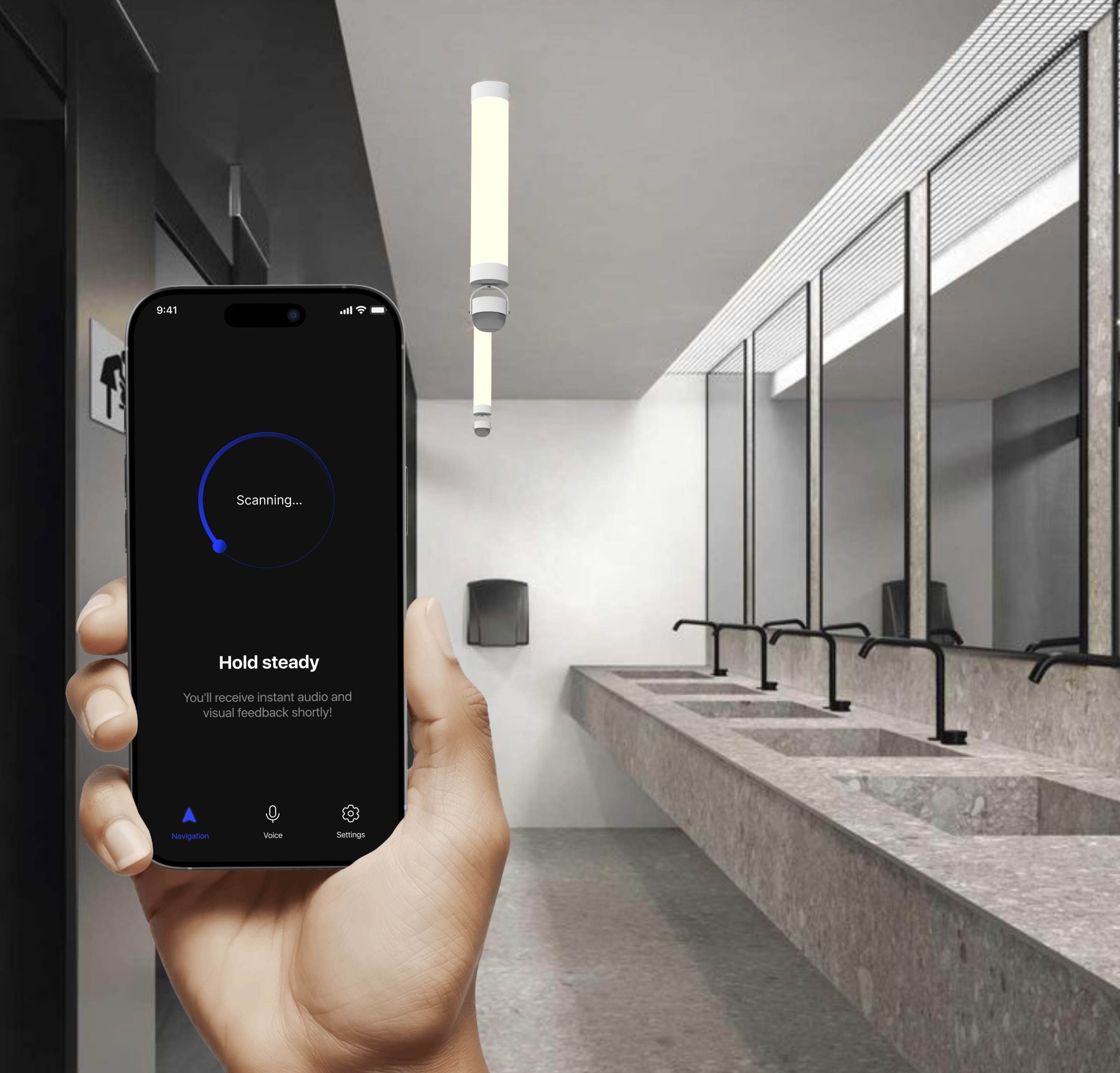
This graduation project, a six-month collaboration with Havells Research and Innovation Centre, explored how design can enhance everyday wellbeing through inclusive, meaningful product experiences. The focus was on creating a bathroom appliance that promotes accessibility, aesthetics, and innovation, addressing the specific needs of visually impaired users. Research—including market analysis, trend mapping, user interviews, and space audits—revealed public bathrooms often lack sensory cues, clear fixture placement, and navigational support. This insight informed the development of an inclusive bathroom lighting system aimed at improving navigation, independence, and comfort. Three design directions were explored: two Havells-led concepts emphasized form-based innovation for immediate market adoption, enhancing usability and visual comfort; one NID-led concept proposed an advanced AI-integrated system, combining smart adaptive lighting with a mobile app to support low-vision users. The project demonstrates how thoughtful design can merge accessibility, technology, and wellbeing to create practical, empowering solutions for everyday environments.
NAVYA G S
NAVYA G S
NAVYA G S
NAVYA G S