M.Des.
Profile

Reinterpreting Sri Lankan Craft

  • Accent Furniture
  • Sri Lankan Craft
  • Reinterpret
  • Contemporary
  • Wooden
DEVPRASHANTH KARUNAKARAN
Ms. Neha Mandlik
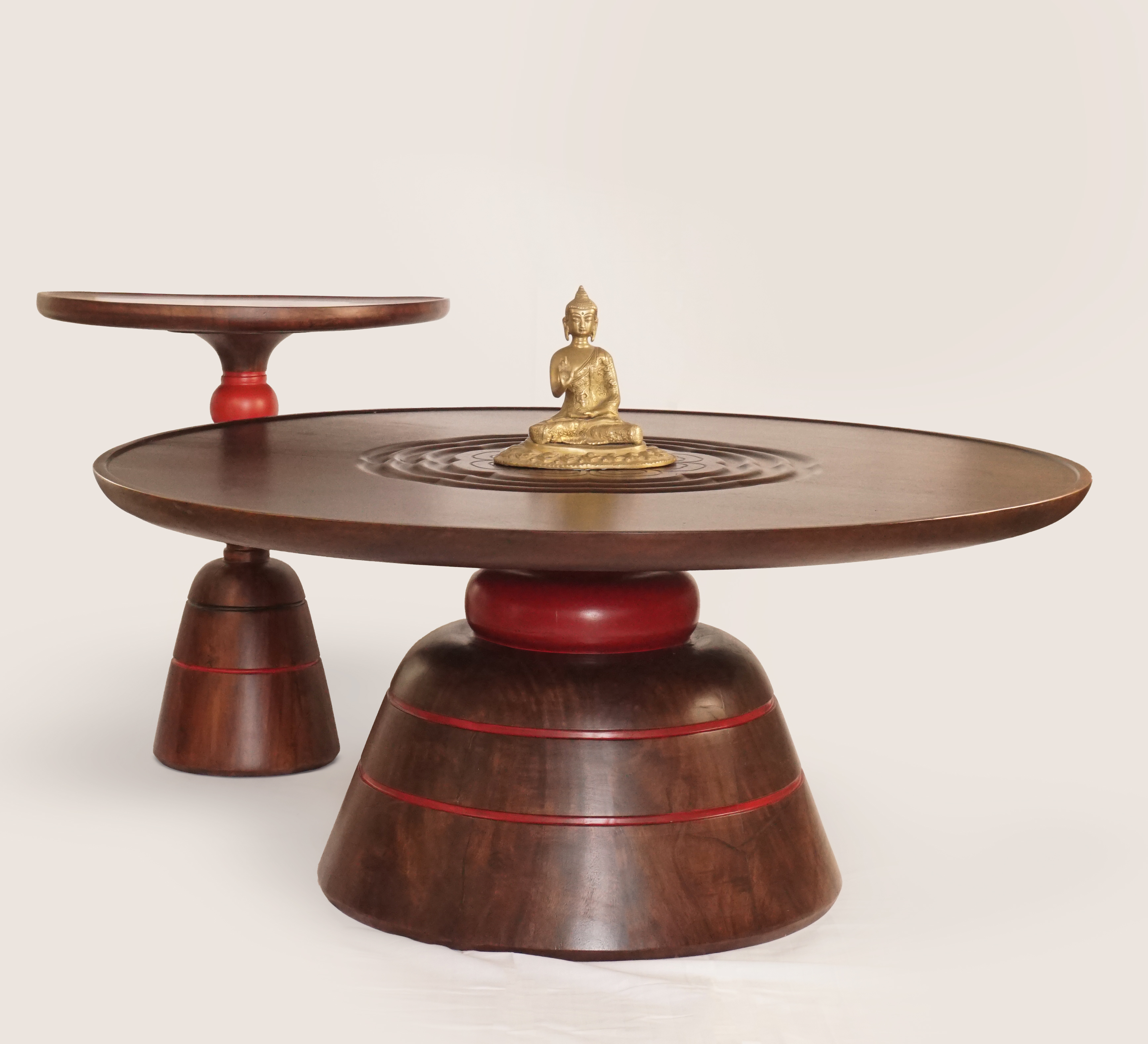
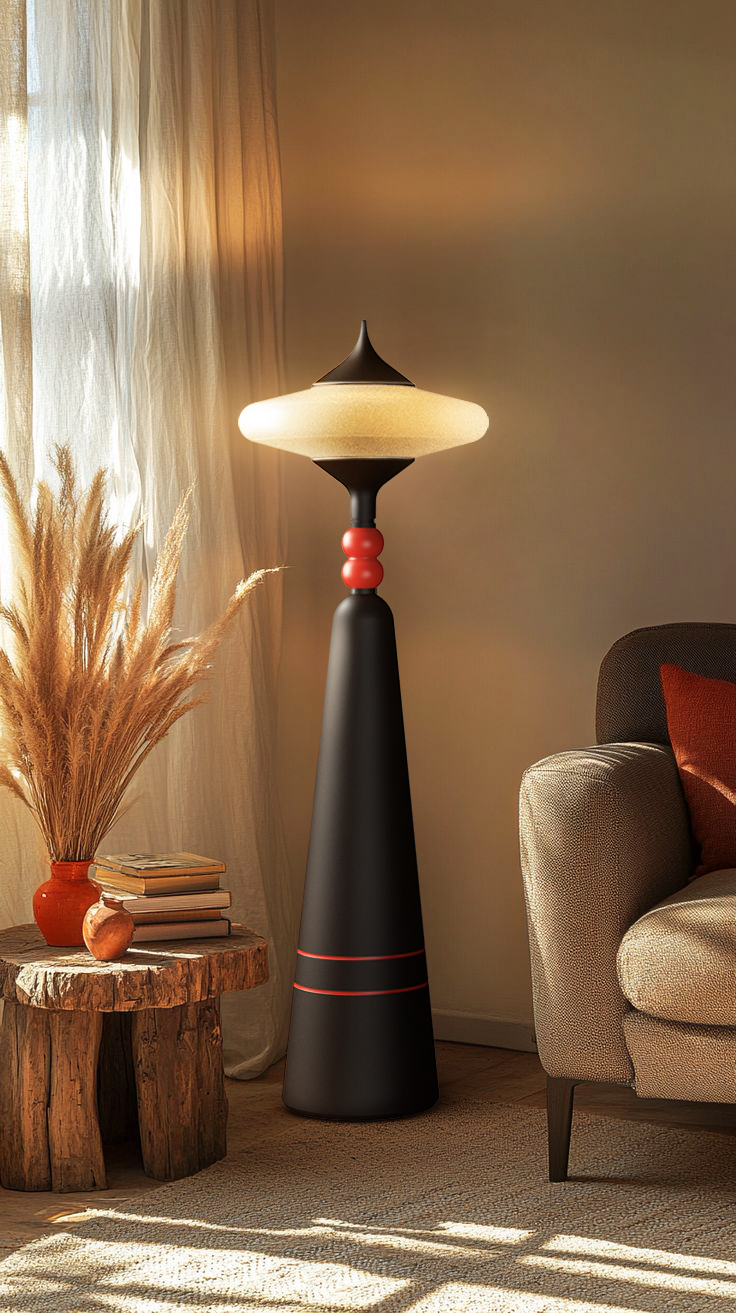
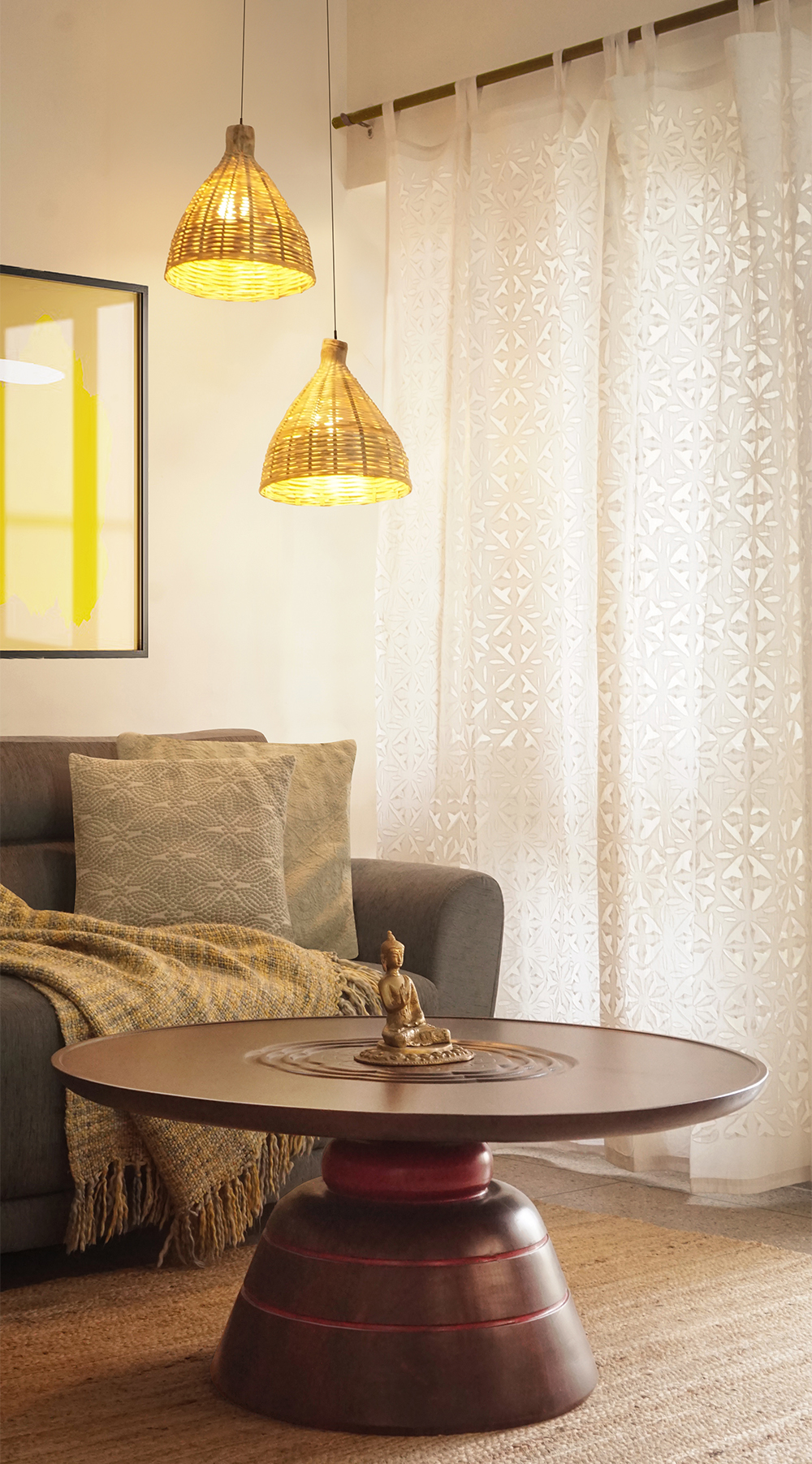
This project explores the reinterpretation of classical Sri Lankan furniture traditions into a contemporary accent furniture collection for modern homes. Following an in-depth study of Sri Lanka’s historical and cultural context, the project resulted in a collection of three accent pieces: a side table, a coffee table, and a floor lamp. The design draws inspiration from traditional Sri Lankan brass lamps, reimagined through modern forms, proportions, and detailing, while also referencing the visual richness of classical ebony furniture that defines the region’s craft heritage. Teak and Acacia woods were used during the prototyping phase due to budgetary constraints, without compromising the intended aesthetic and design integrity. Multiple vendor visits and iterative refinements led to the successful fabrication of the prototypes. Undertaken as a self-sponsored project, the work required adaptability and problem-solving throughout the making process. The final collection balances cultural identity with contemporary living, translating traditional craft values into functional, refined accent furniture.
DEVPRASHANTH  KARUNAKARAN
Profile
DEVPRASHANTH KARUNAKARAN
M.Des.
Ms. Neha Mandlik
Reinterpreting Sri Lankan Craft
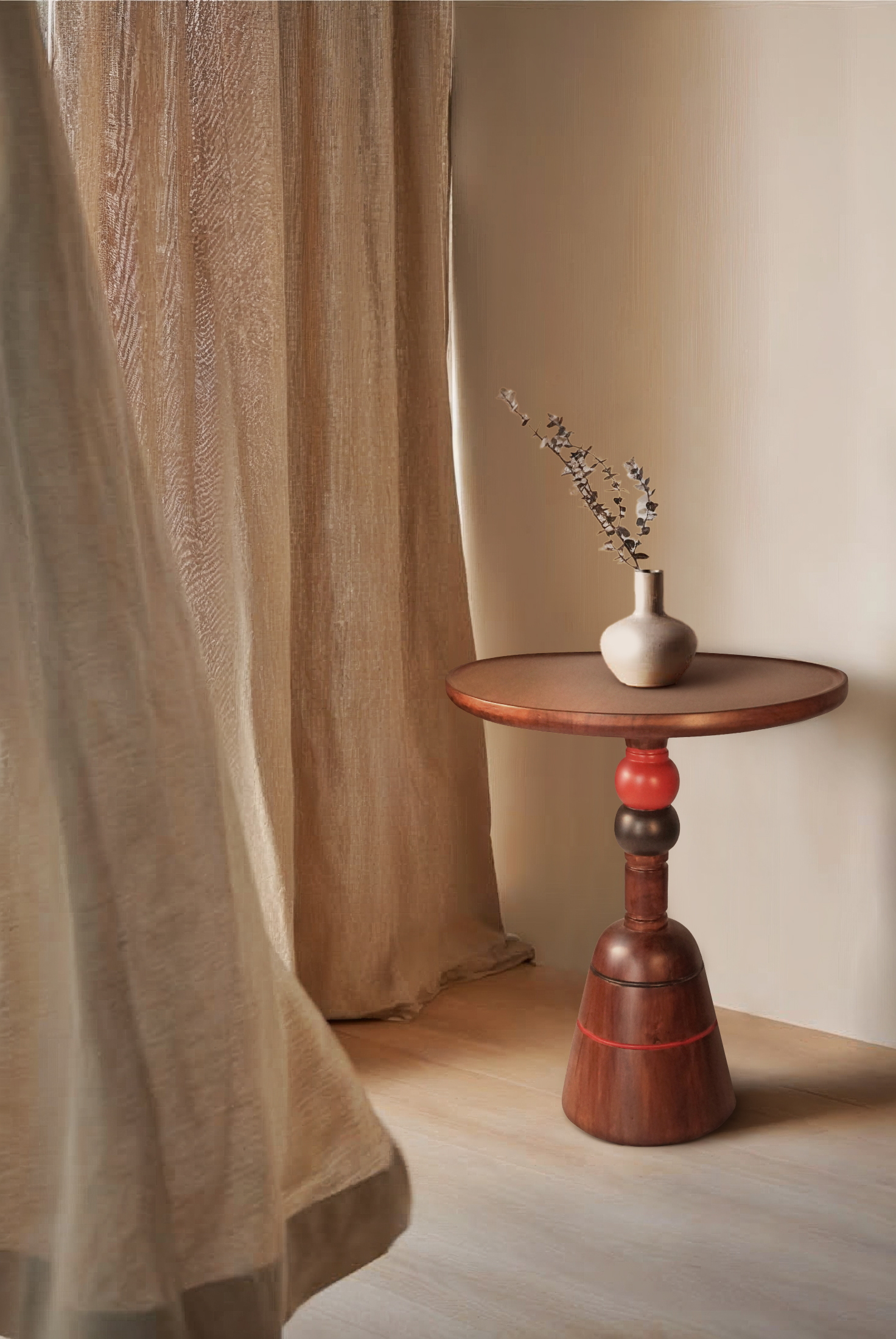
This project explores the reinterpretation of classical Sri Lankan furniture traditions into a contemporary accent furniture collection for modern homes. Following an in-depth study of Sri Lanka’s historical and cultural context, the project resulted in a collection of three accent pieces: a side table, a coffee table, and a floor lamp. The design draws inspiration from traditional Sri Lankan brass lamps, reimagined through modern forms, proportions, and detailing, while also referencing the visual richness of classical ebony furniture that defines the region’s craft heritage. Teak and Acacia woods were used during the prototyping phase due to budgetary constraints, without compromising the intended aesthetic and design integrity. Multiple vendor visits and iterative refinements led to the successful fabrication of the prototypes. Undertaken as a self-sponsored project, the work required adaptability and problem-solving throughout the making process. The final collection balances cultural identity with contemporary living, translating traditional craft values into functional, refined accent furniture.
DEVPRASHANTH  KARUNAKARAN