M.Des.
Profile

Emergency Vehicle for 2050

  • Riot response
  • Tactical mobility
  • Future policing
  • Human-centered designs
  • Hybrid Mobility
Ashish Kaushik
Mr. Balaji Rengarajan
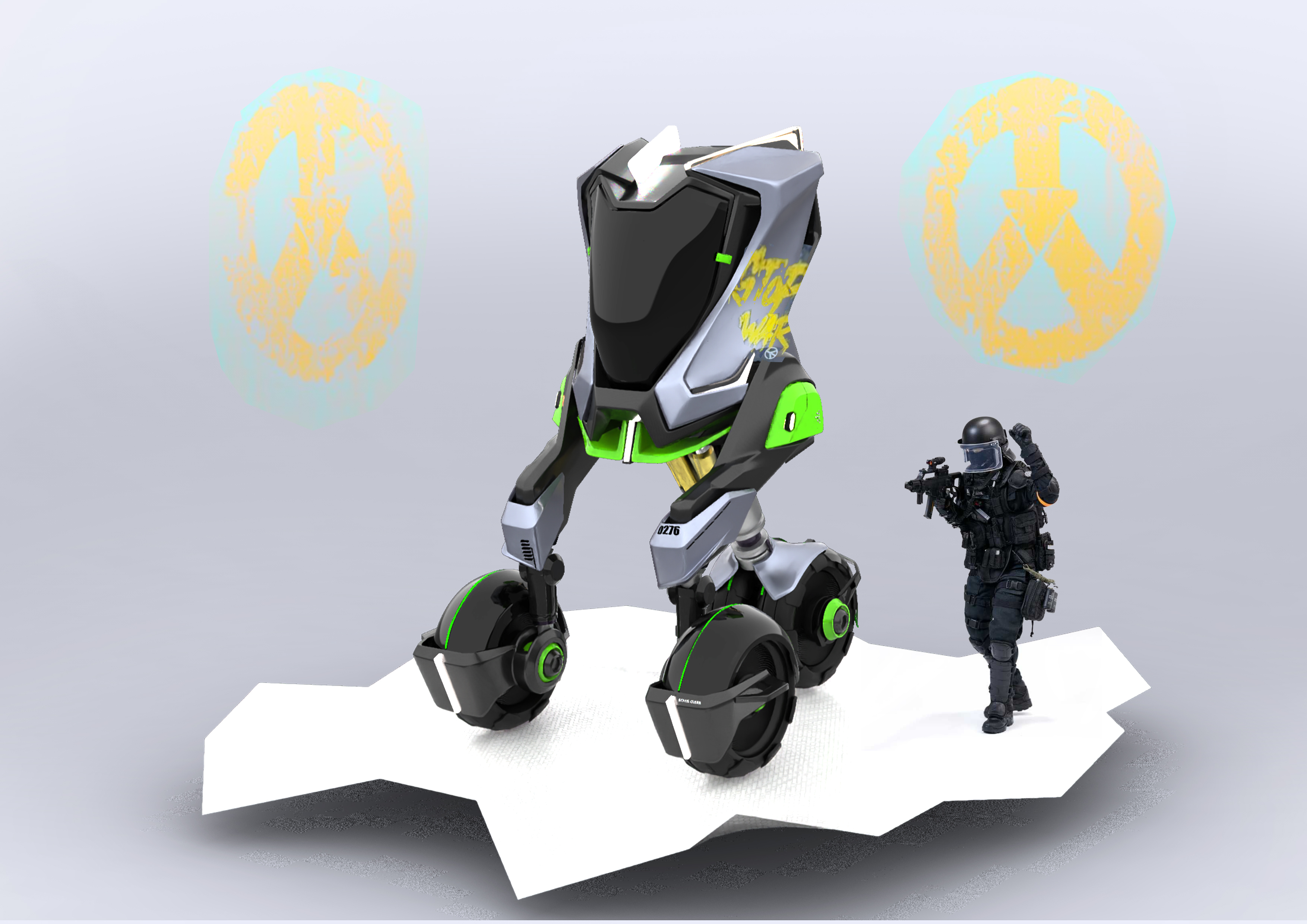
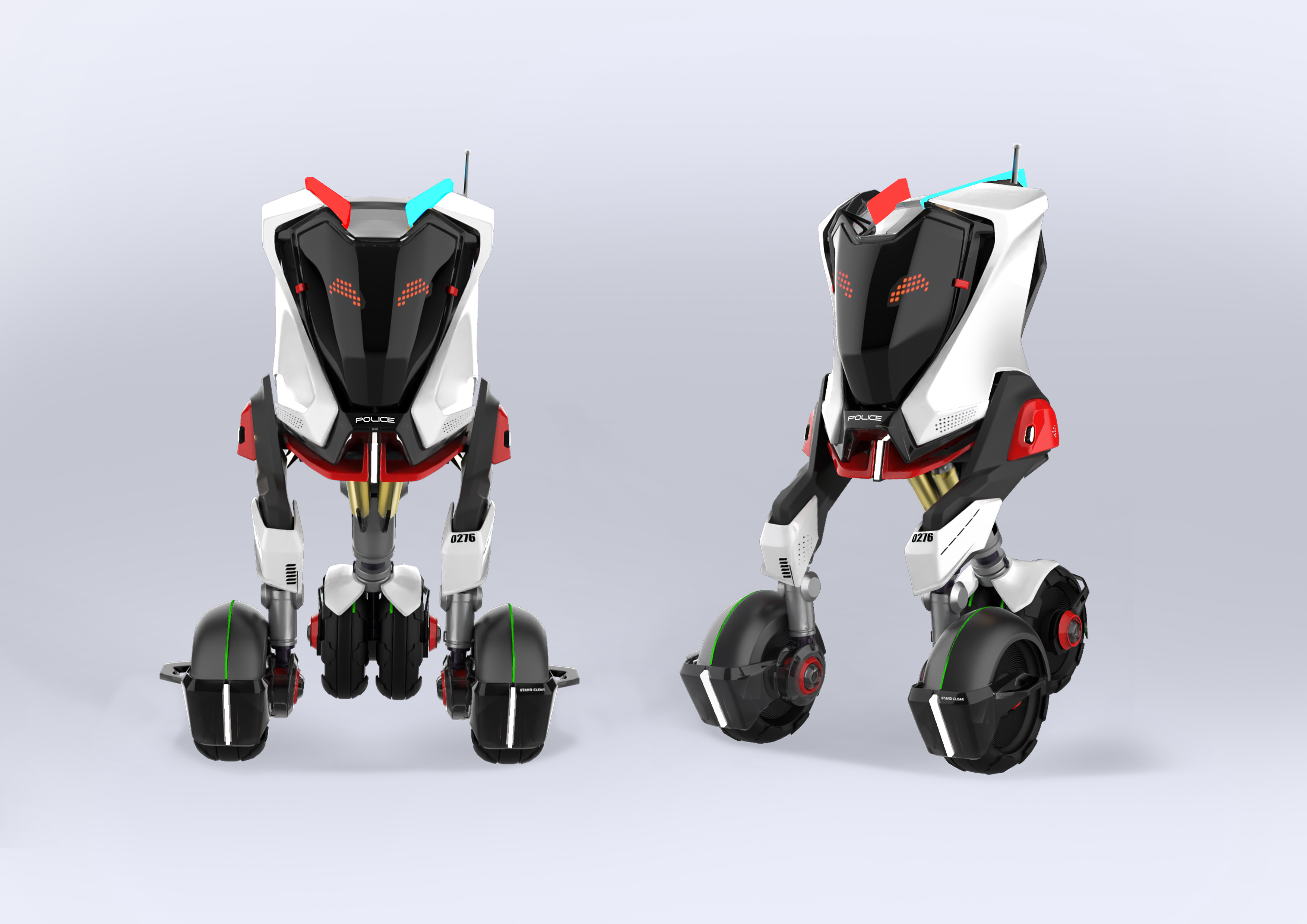
This graduation project reimagines riot control vehicles for the year 2050, focusing on humane, responsive, and adaptable solutions for complex urban emergencies. Through interviews with police and military personnel, the project identified critical gaps in visibility, operator safety, terrain adaptability, and escalation control within existing systems. Historical analysis of emergency vehicles, firsthand operator insights, and material experimentation with lightweight, impact-resistant surfaces informed the design process. The resulting concepts prioritize 360-degree situational awareness through transparent armour, modular non-lethal systems adaptable to varied scenarios, and hybrid mobility that transitions seamlessly between streets and rubble. Strong emphasis was placed on operator ergonomics, stress-responsive interfaces, and rapid entry-exit mechanisms. Moving beyond militarised aesthetics, the project positions design as a preventive tool—supporting protectors while minimizing harm and de-escalation through thoughtful, human-centered mobility solutions.
Ashish Kaushik
Ashish Kaushik
Ashish Kaushik
Ashish Kaushik
Profile
Ashish Kaushik
M.Des.
Mr. Balaji Rengarajan
Emergency Vehicle for 2050
This graduation project reimagines riot control vehicles for the year 2050, focusing on humane, responsive, and adaptable solutions for complex urban emergencies. Through interviews with police and military personnel, the project identified critical gaps in visibility, operator safety, terrain adaptability, and escalation control within existing systems. Historical analysis of emergency vehicles, firsthand operator insights, and material experimentation with lightweight, impact-resistant surfaces informed the design process. The resulting concepts prioritize 360-degree situational awareness through transparent armour, modular non-lethal systems adaptable to varied scenarios, and hybrid mobility that transitions seamlessly between streets and rubble. Strong emphasis was placed on operator ergonomics, stress-responsive interfaces, and rapid entry-exit mechanisms. Moving beyond militarised aesthetics, the project positions design as a preventive tool—supporting protectors while minimizing harm and de-escalation through thoughtful, human-centered mobility solutions.
Ashish Kaushik
Ashish Kaushik
Ashish Kaushik
Ashish Kaushik