M.Des.
Profile

Channapatna Artifacts : Blending crafts and technology

  • Channapatna Craft
  • Digital Interface
  • Artisan-Designer Collaboration
  • Color customization
  • Craft Process Innovation
APARNA RAVINDRANATH
Mr. Swapnesh Samaiya
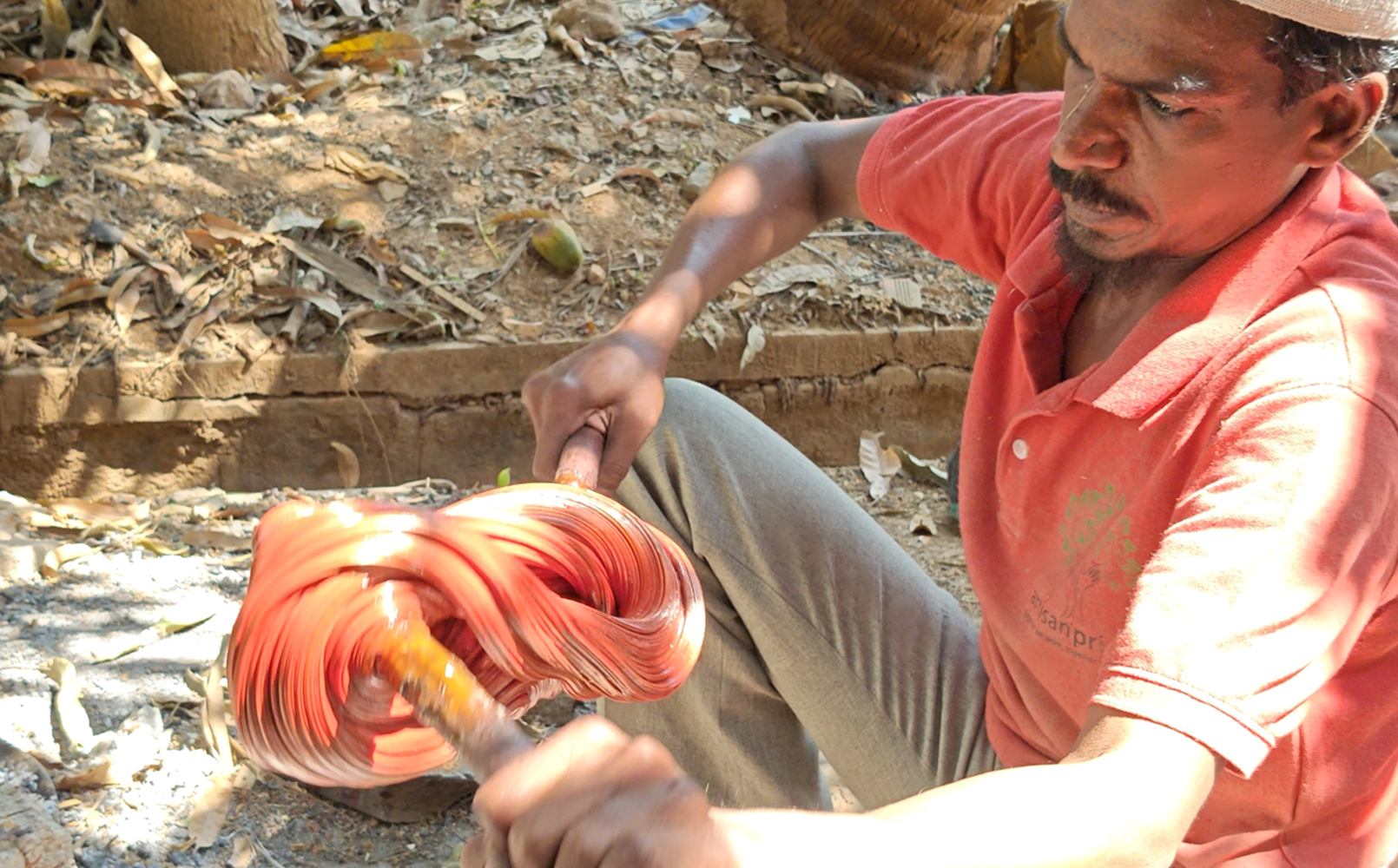
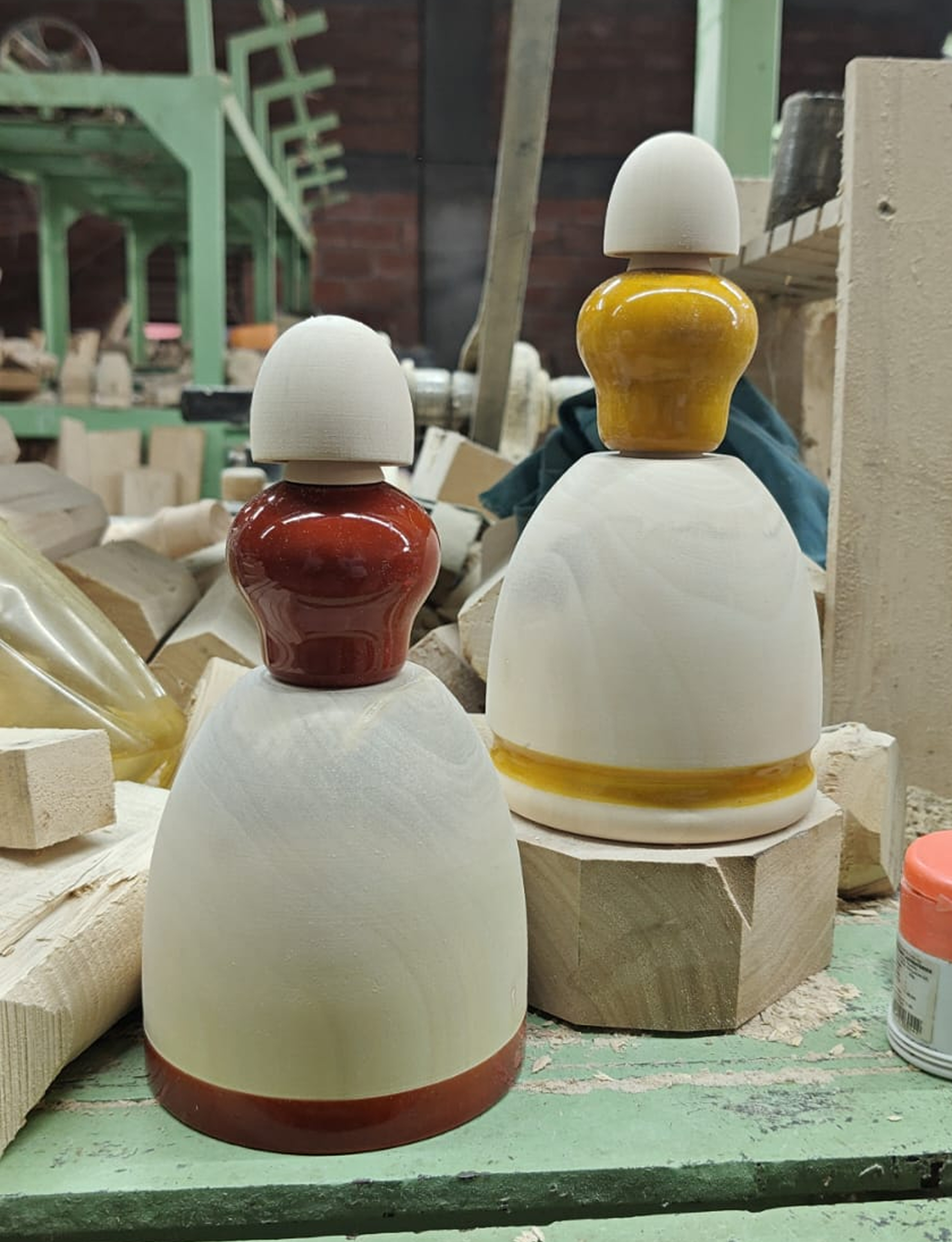
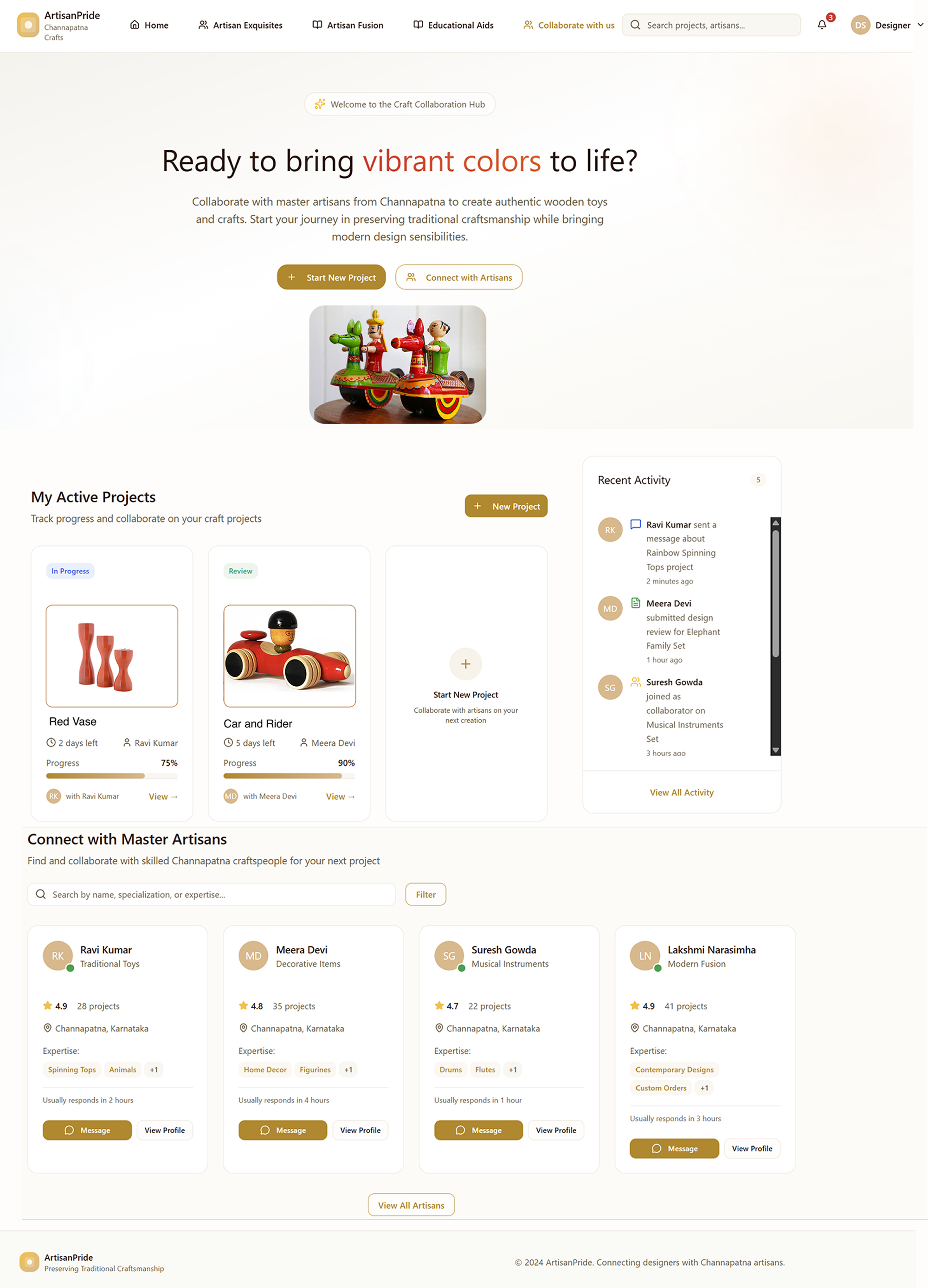
This graduation project explores the intersection of technology and traditional craft through the Channapatna toy-making industry of Karnataka, India. Grounded in ethnographic research and participatory design, the study addressed communication gaps between artisans and designers, particularly around color selection and approval. As an intervention, the project introduced PaletteCraft, a digital tool integrated into the Artisan Pride platform. PaletteCraft enables designers and customers to apply authentic Channapatna color palettes to mockups and collaborate with artisans through shared timelines and real-time visualizations. Dual dashboards tailored to artisans and designers improve transparency, reduce rework, and streamline approvals. While the project also examined technology-driven product innovation, the primary focus remained on scalable process integration. Overall, the work demonstrates how digital tools can support traditional workflows, bridging heritage craftsmanship and contemporary design without displacing artisanal skills.
APARNA RAVINDRANATH
APARNA RAVINDRANATH
APARNA RAVINDRANATH
Profile
APARNA RAVINDRANATH
M.Des.
Mr. Swapnesh Samaiya
Channapatna Artifacts : Blending crafts and technology
This graduation project explores the intersection of technology and traditional craft through the Channapatna toy-making industry of Karnataka, India. Grounded in ethnographic research and participatory design, the study addressed communication gaps between artisans and designers, particularly around color selection and approval. As an intervention, the project introduced PaletteCraft, a digital tool integrated into the Artisan Pride platform. PaletteCraft enables designers and customers to apply authentic Channapatna color palettes to mockups and collaborate with artisans through shared timelines and real-time visualizations. Dual dashboards tailored to artisans and designers improve transparency, reduce rework, and streamline approvals. While the project also examined technology-driven product innovation, the primary focus remained on scalable process integration. Overall, the work demonstrates how digital tools can support traditional workflows, bridging heritage craftsmanship and contemporary design without displacing artisanal skills.
APARNA RAVINDRANATH
APARNA RAVINDRANATH
APARNA RAVINDRANATH