M.Des.
Profile

TRACKS AND TRAILS

  • Heritage upcycling
  • Circular economy in design
  • Industrial scrap reuse
  • Museum retail innovation
  • Souvenir design
NISHIT PANCHAL
Mr. Amresh Panigrahi
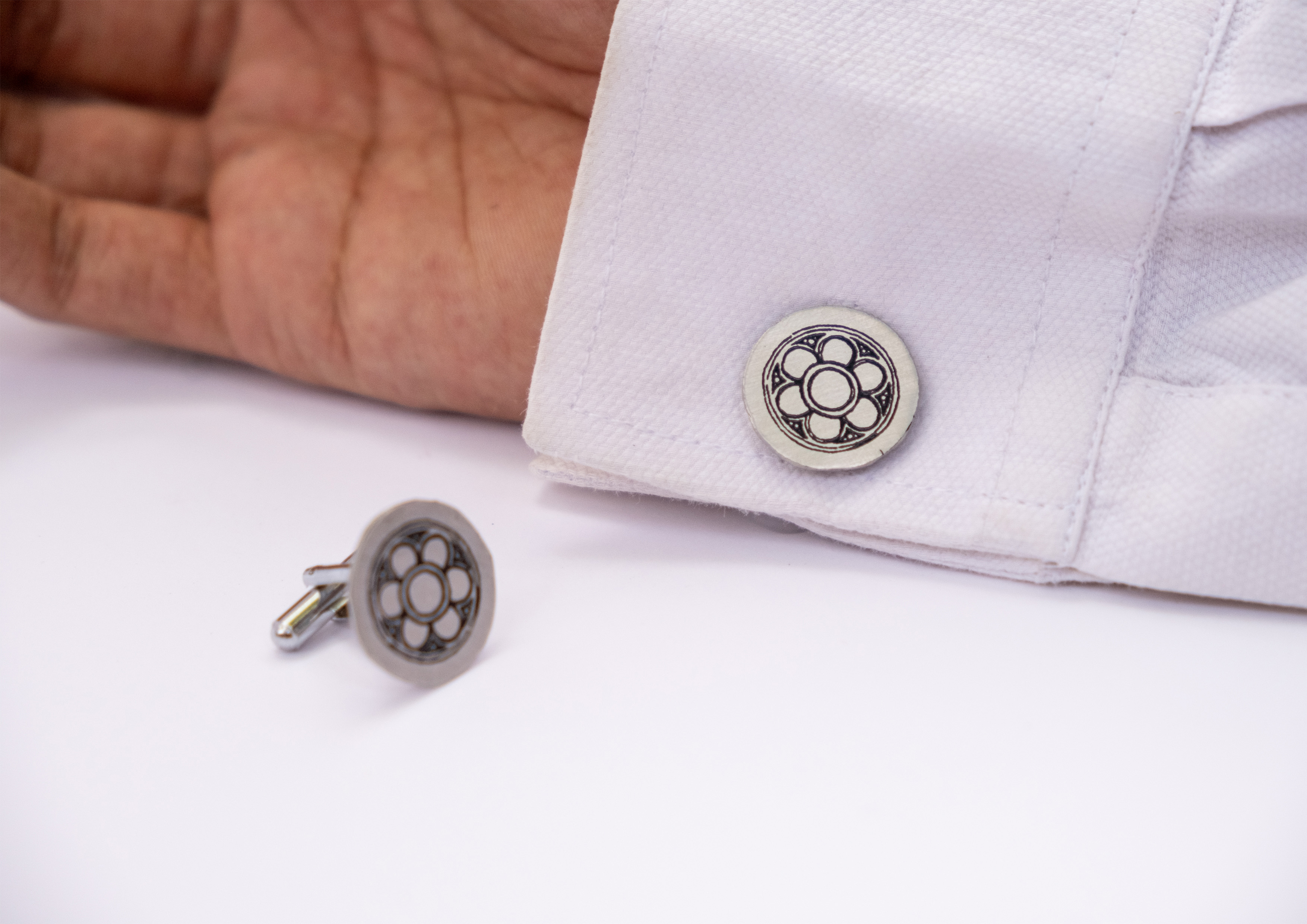
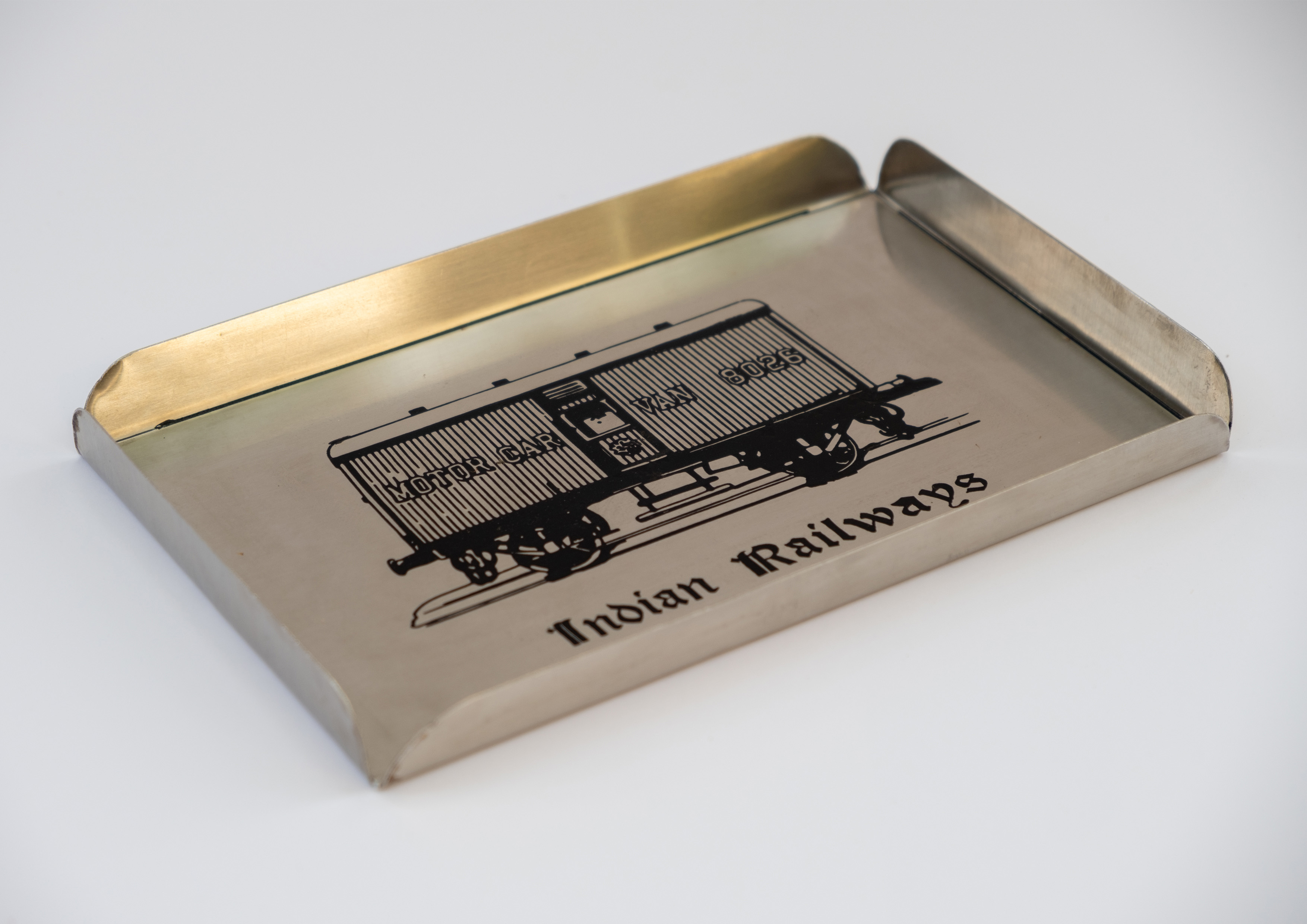
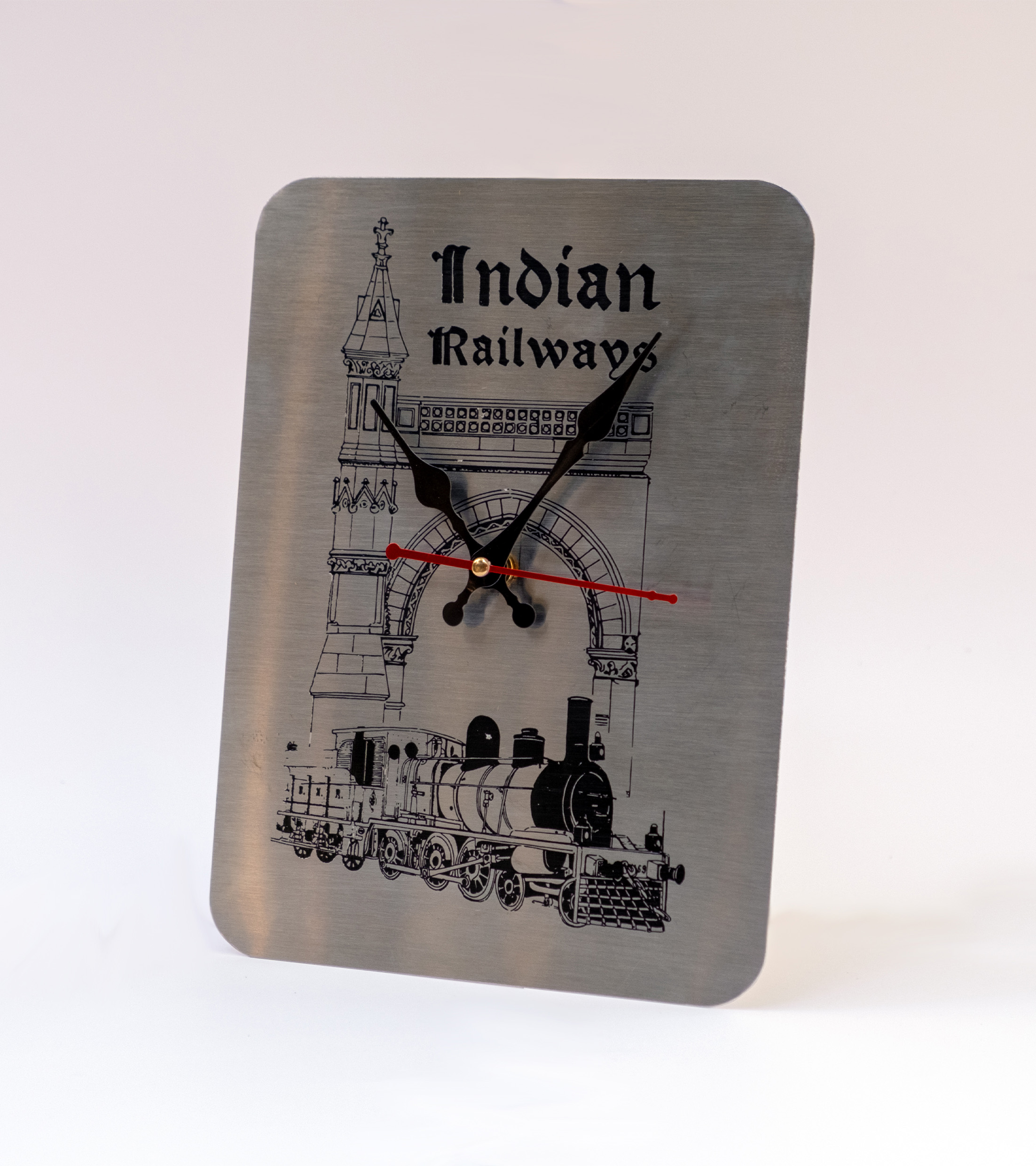
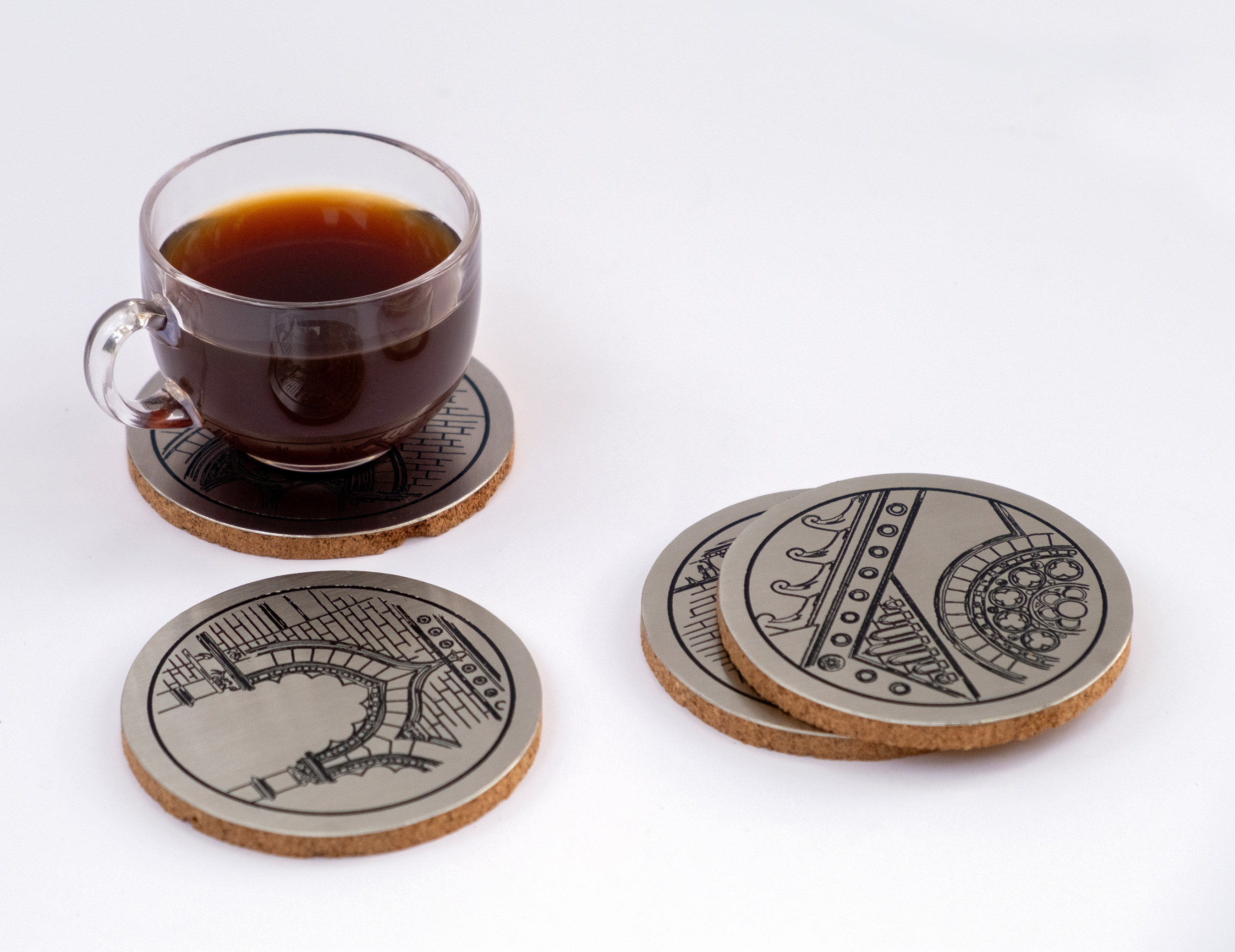
This graduation project explores how design can preserve and reinterpret railway heritage while engaging contemporary audiences. As Indian Railways continues to modernise, much of its tangible and intangible heritage risks being overlooked, and museum spaces often lack products that extend this legacy into everyday life. Tracks and Trails addresses this gap through the design of meaningful souvenirs and lifestyle accessories that reconnect people with railway history. The project also investigates the reuse of discarded railway scrap as a sustainable material resource. Using a Human-Centred Design methodology, the process combined archival research, museum studies, surveys, persona mapping, material exploration, prototyping, and stakeholder feedback. The outcome is a product collection spanning apparel, fashion accessories, stationery, and home décor, integrating archival motifs with reclaimed materials. The project demonstrates how industrial remnants can be transformed into usable, emotionally resonant objects that support museum engagement, sustainable practices, and cultural continuity.
NISHIT PANCHAL
NISHIT PANCHAL
NISHIT PANCHAL
NISHIT PANCHAL
Profile
NISHIT PANCHAL
M.Des.
Mr. Amresh Panigrahi
TRACKS AND TRAILS
This graduation project explores how design can preserve and reinterpret railway heritage while engaging contemporary audiences. As Indian Railways continues to modernise, much of its tangible and intangible heritage risks being overlooked, and museum spaces often lack products that extend this legacy into everyday life. Tracks and Trails addresses this gap through the design of meaningful souvenirs and lifestyle accessories that reconnect people with railway history. The project also investigates the reuse of discarded railway scrap as a sustainable material resource. Using a Human-Centred Design methodology, the process combined archival research, museum studies, surveys, persona mapping, material exploration, prototyping, and stakeholder feedback. The outcome is a product collection spanning apparel, fashion accessories, stationery, and home décor, integrating archival motifs with reclaimed materials. The project demonstrates how industrial remnants can be transformed into usable, emotionally resonant objects that support museum engagement, sustainable practices, and cultural continuity.
NISHIT PANCHAL
NISHIT PANCHAL
NISHIT PANCHAL
NISHIT PANCHAL