B.Des.
Profile

Translating Practice to Print: Editorial Design for a Vernacular Architecture Studio in Himachal Pradesh

  • Editorial Design
  • Narrative Design
  • Vernacular Architecture
  • Book Design
  • Content Driven Design
NIKITA DHAMIJA
Mr. Xavier D'Silva
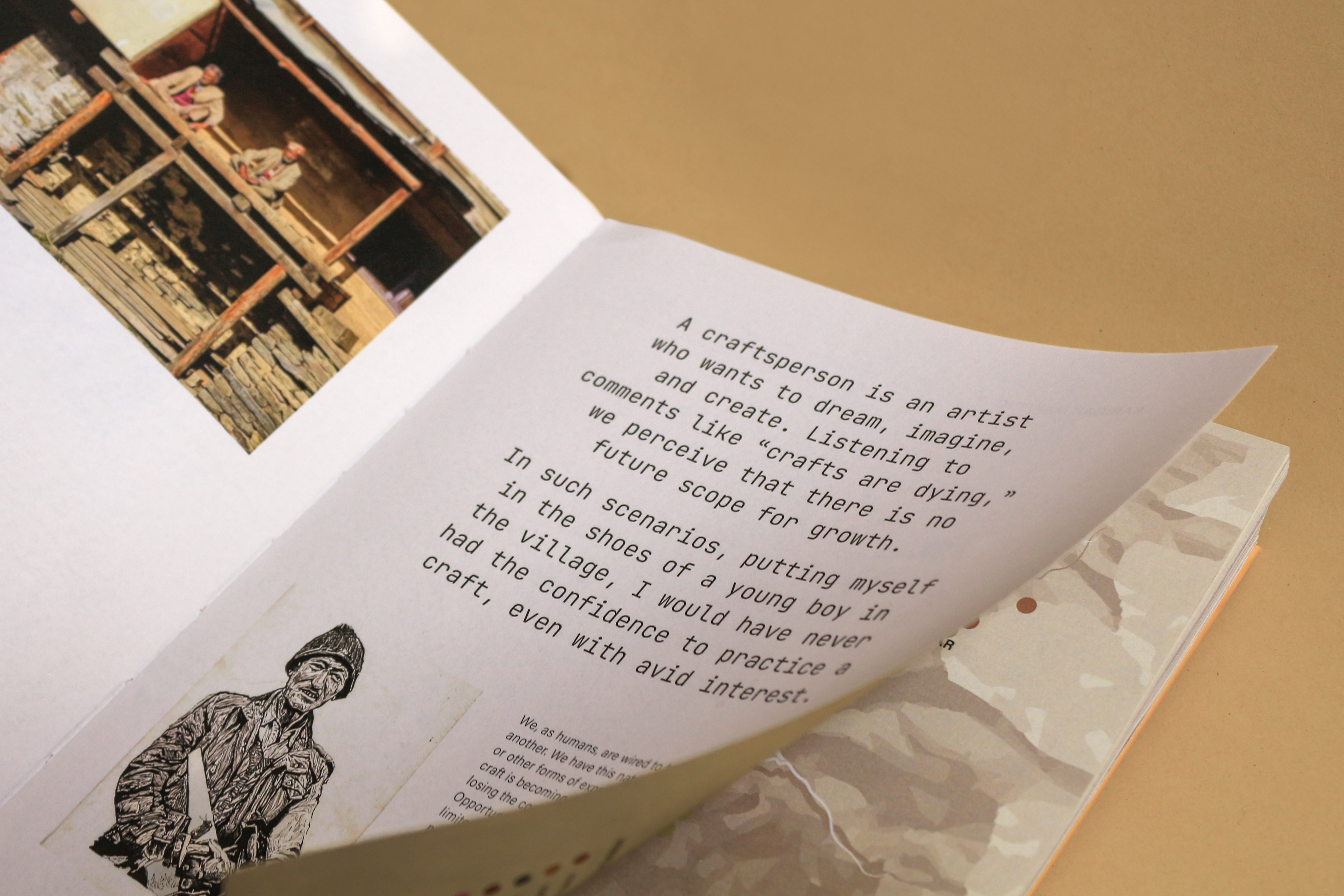
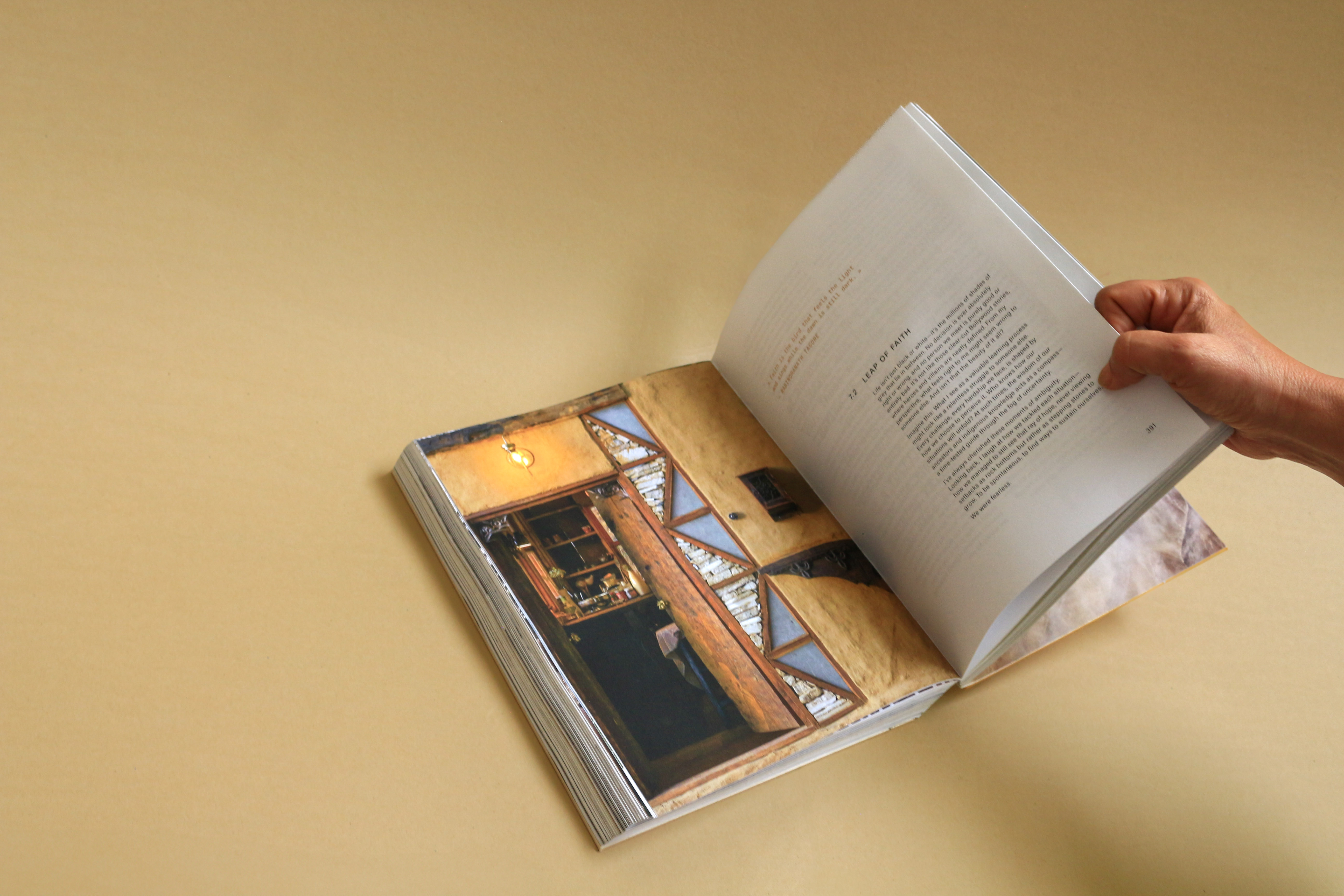
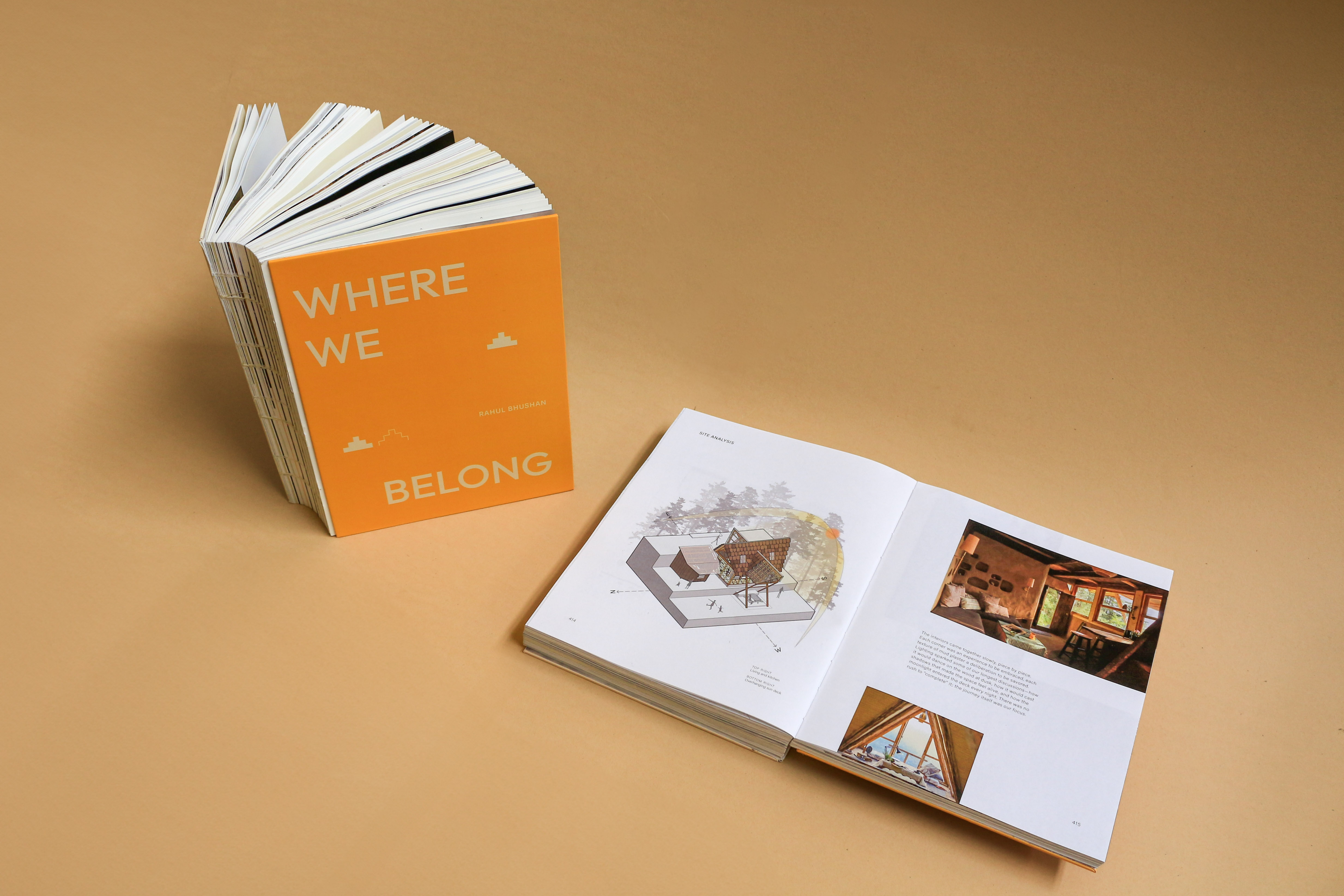
This graduation project was undertaken at Wari Watai for NORTH, a vernacular architecture practice based in Himachal Pradesh. The project focuses on the editorial design of the book Where We Belong, which brings together over a decade of learnings from the region’s culture, landscape, and building practices. The objective was to translate a research-led architectural practice into print while retaining the spirit of vernacular wisdom for a contemporary audience. The process involved structuring diverse content such as essays, field notes, architectural drawings, sketches, folklore, and archival material into a cohesive editorial narrative. Through iterative content organisation, typographic planning, visual language development, and print production, the book was shaped as a grounded and reflective artefact. The outcome demonstrates how editorial design can communicate practice, place, and philosophy with clarity and depth.
NIKITA DHAMIJA
NIKITA DHAMIJA
NIKITA DHAMIJA
NIKITA DHAMIJA
Profile
NIKITA DHAMIJA
B.Des.
Mr. Xavier D'Silva
Translating Practice to Print: Editorial Design for a Vernacular Architecture Studio in Himachal Pradesh
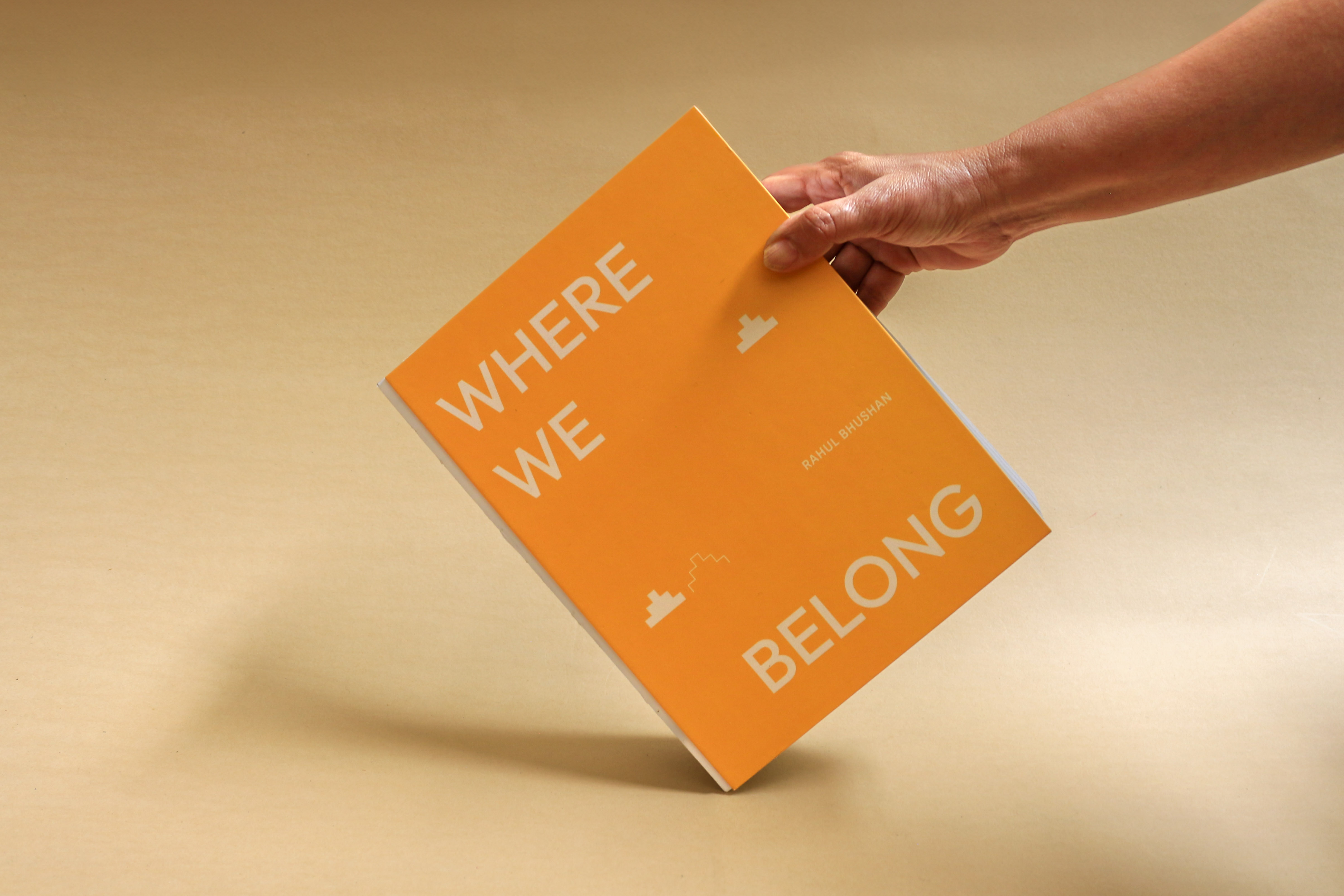
This graduation project was undertaken at Wari Watai for NORTH, a vernacular architecture practice based in Himachal Pradesh. The project focuses on the editorial design of the book Where We Belong, which brings together over a decade of learnings from the region’s culture, landscape, and building practices. The objective was to translate a research-led architectural practice into print while retaining the spirit of vernacular wisdom for a contemporary audience. The process involved structuring diverse content such as essays, field notes, architectural drawings, sketches, folklore, and archival material into a cohesive editorial narrative. Through iterative content organisation, typographic planning, visual language development, and print production, the book was shaped as a grounded and reflective artefact. The outcome demonstrates how editorial design can communicate practice, place, and philosophy with clarity and depth.
NIKITA DHAMIJA
NIKITA DHAMIJA
NIKITA DHAMIJA
NIKITA DHAMIJA