B.Des.
Profile

Home Street Home

  • Virtual Reality
  • Urban Design
  • Hostile Architecture
  • Speculative Animation
  • Design for Social Impact
VAISHNAVI PARESH LADDHA
Ms. Tanishka Kachru
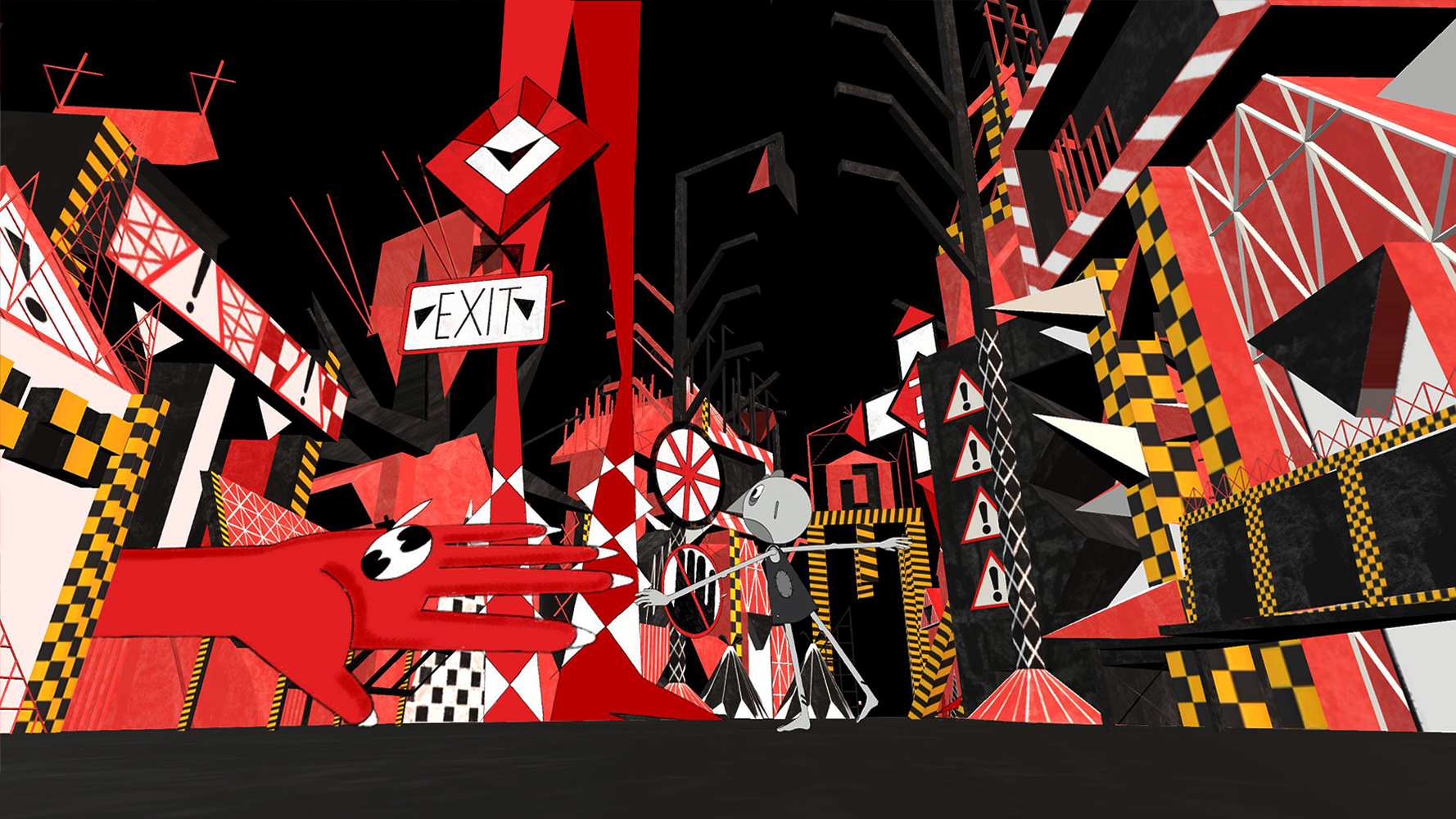
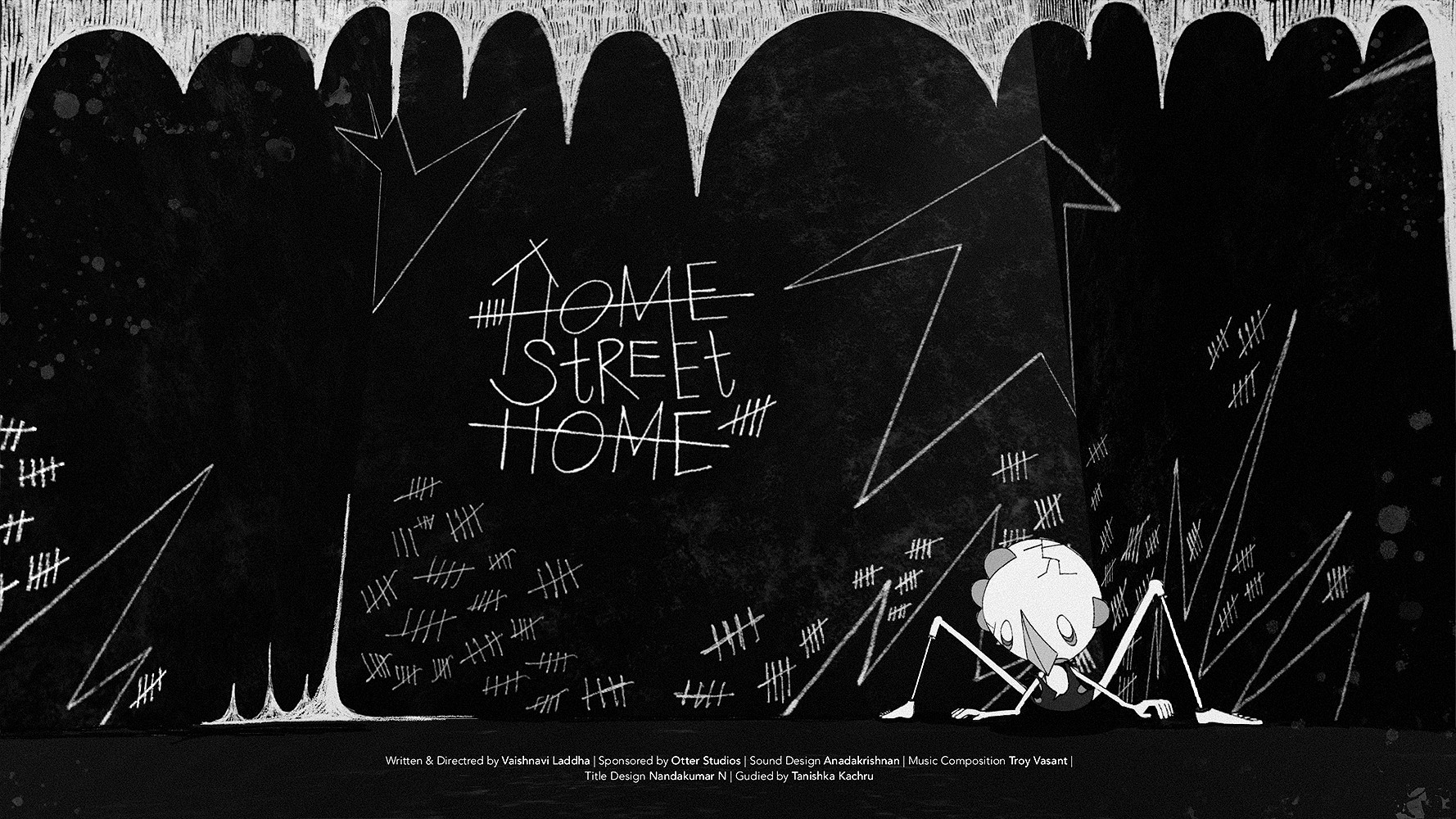
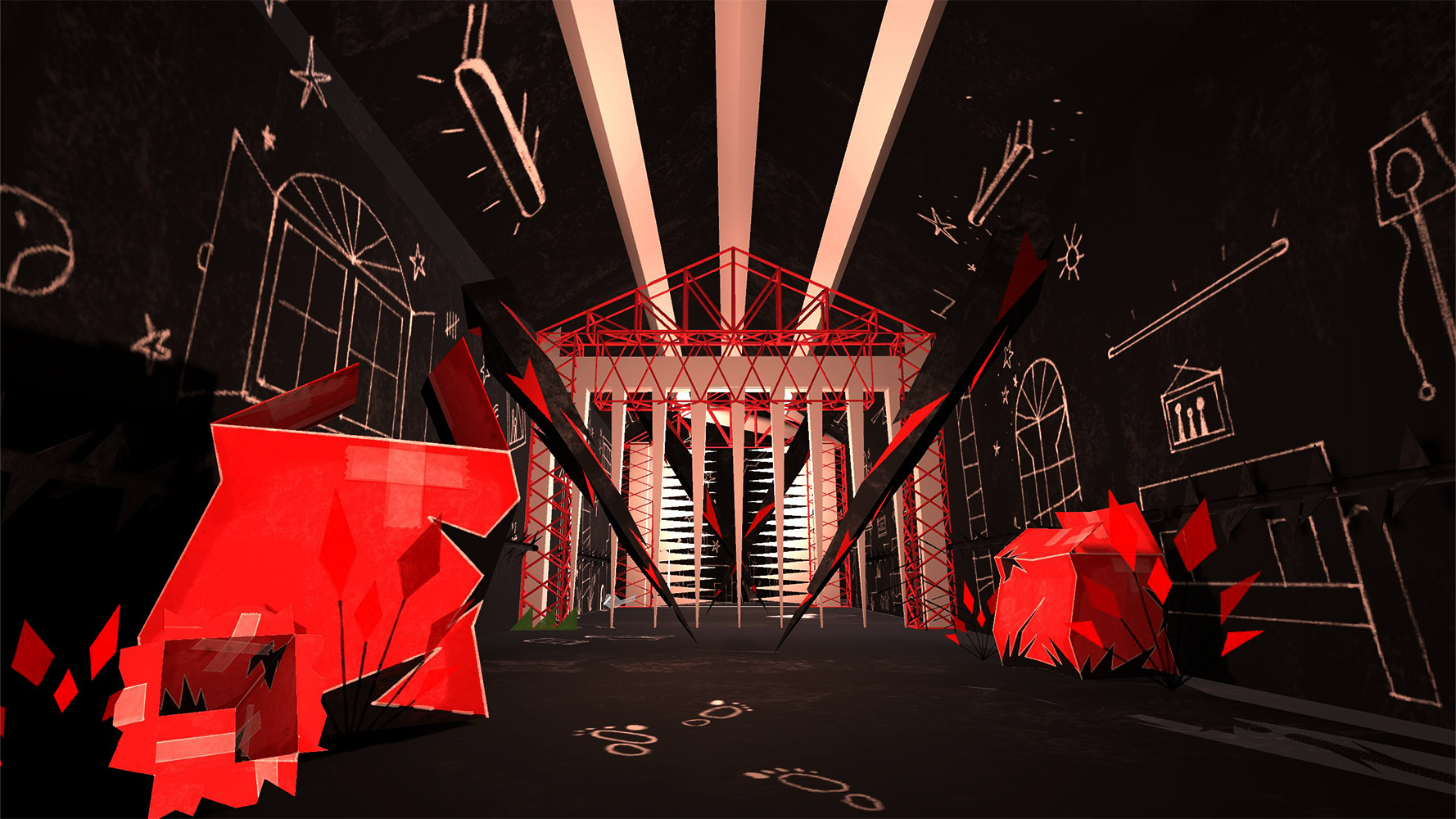
Home Street Home is an immersive VR film following Bob, a homeless boy navigating an urban environment designed to exclude him. The city serves as a cruel protagonist, defined by "hostile architecture" benches designed to prevent rest and barriers that prioritise systemic neglect over human dignity. Developed through research on spatial injustice and architectural psychology, the film uses a dialogue-free narrative to emphasise the emotional toll of exclusion. The experience utilises a hybrid 2.5D workflow, blending 2D and 3D animation to create a tangible, atmospheric world. VR is leveraged as a strategic tool to collapse the distance between the viewer and Bob, forcing an intimate confrontation with urban discomfort. Ending on a note of ambiguous hope, the film challenges audiences to reflect on the "architecture of empathy." It asks whether we can reshape our cities to be inclusive, transforming a personal search for belonging into a powerful call for social and spatial change.
VAISHNAVI PARESH LADDHA
Profile
VAISHNAVI PARESH LADDHA
B.Des.
Ms. Tanishka Kachru
Home Street Home
Home Street Home is an immersive VR film following Bob, a homeless boy navigating an urban environment designed to exclude him. The city serves as a cruel protagonist, defined by "hostile architecture" benches designed to prevent rest and barriers that prioritise systemic neglect over human dignity. Developed through research on spatial injustice and architectural psychology, the film uses a dialogue-free narrative to emphasise the emotional toll of exclusion. The experience utilises a hybrid 2.5D workflow, blending 2D and 3D animation to create a tangible, atmospheric world. VR is leveraged as a strategic tool to collapse the distance between the viewer and Bob, forcing an intimate confrontation with urban discomfort. Ending on a note of ambiguous hope, the film challenges audiences to reflect on the "architecture of empathy." It asks whether we can reshape our cities to be inclusive, transforming a personal search for belonging into a powerful call for social and spatial change.
VAISHNAVI PARESH LADDHA