M.Des.
Profile

Elevator design for Specially abled

  • Elevator design
  • Accessibility
  • Product innovation
  • Inclusive design
  • Visually impaired
RAHULKUMAR RAMESHBHAI SONI
Dr. Ashok Mondal
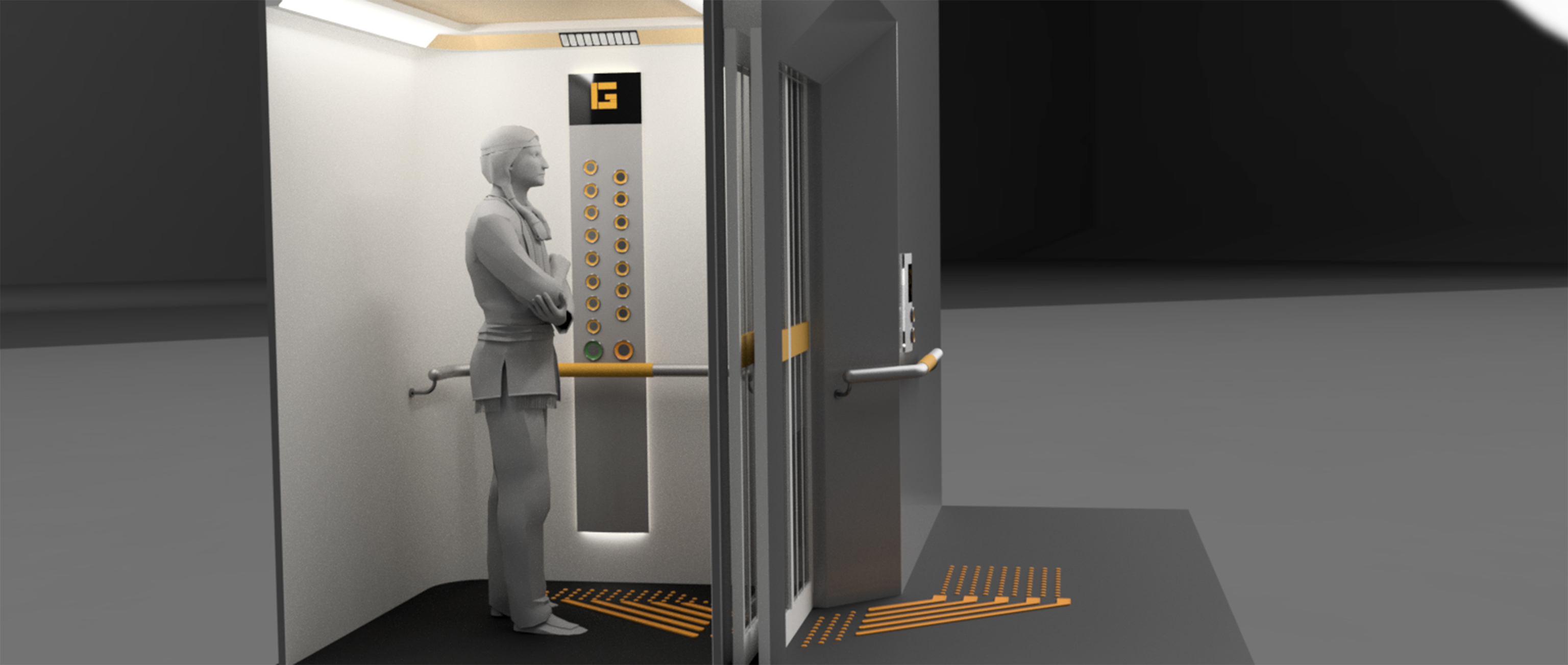
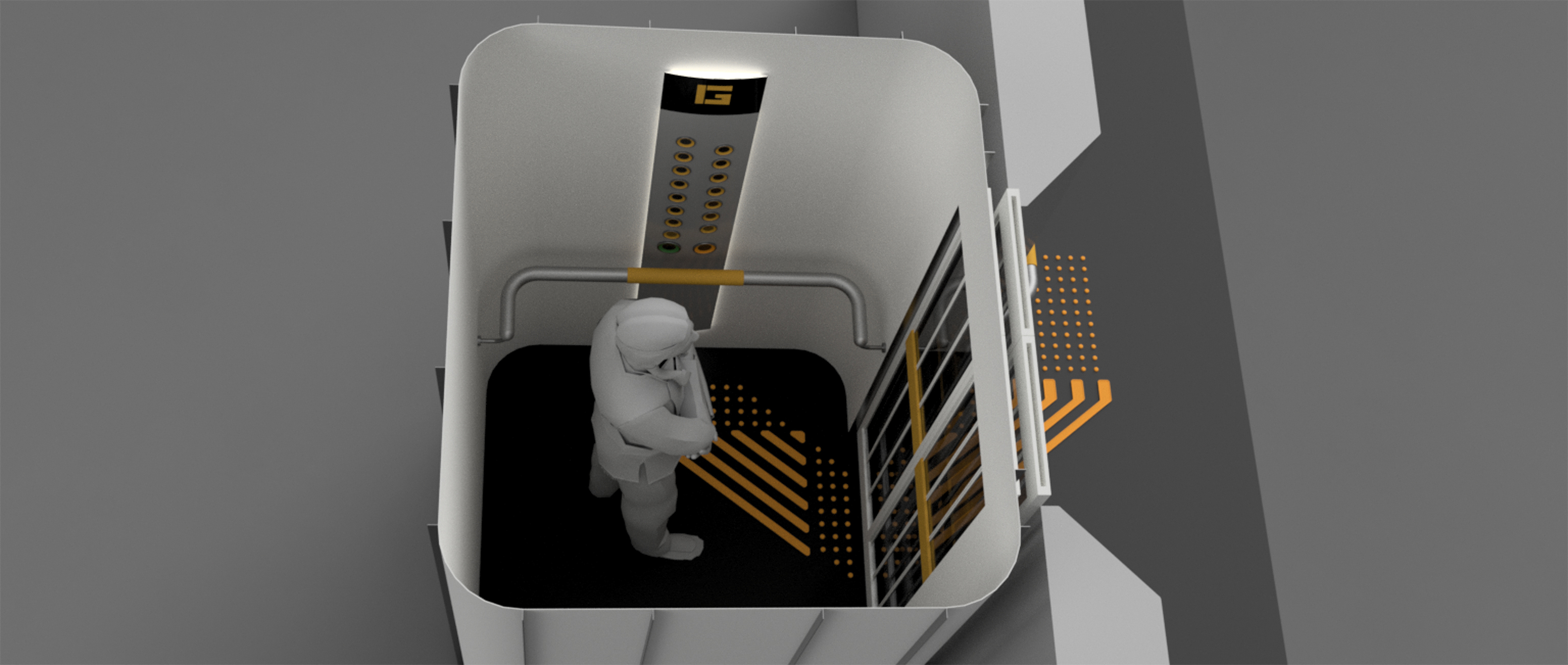
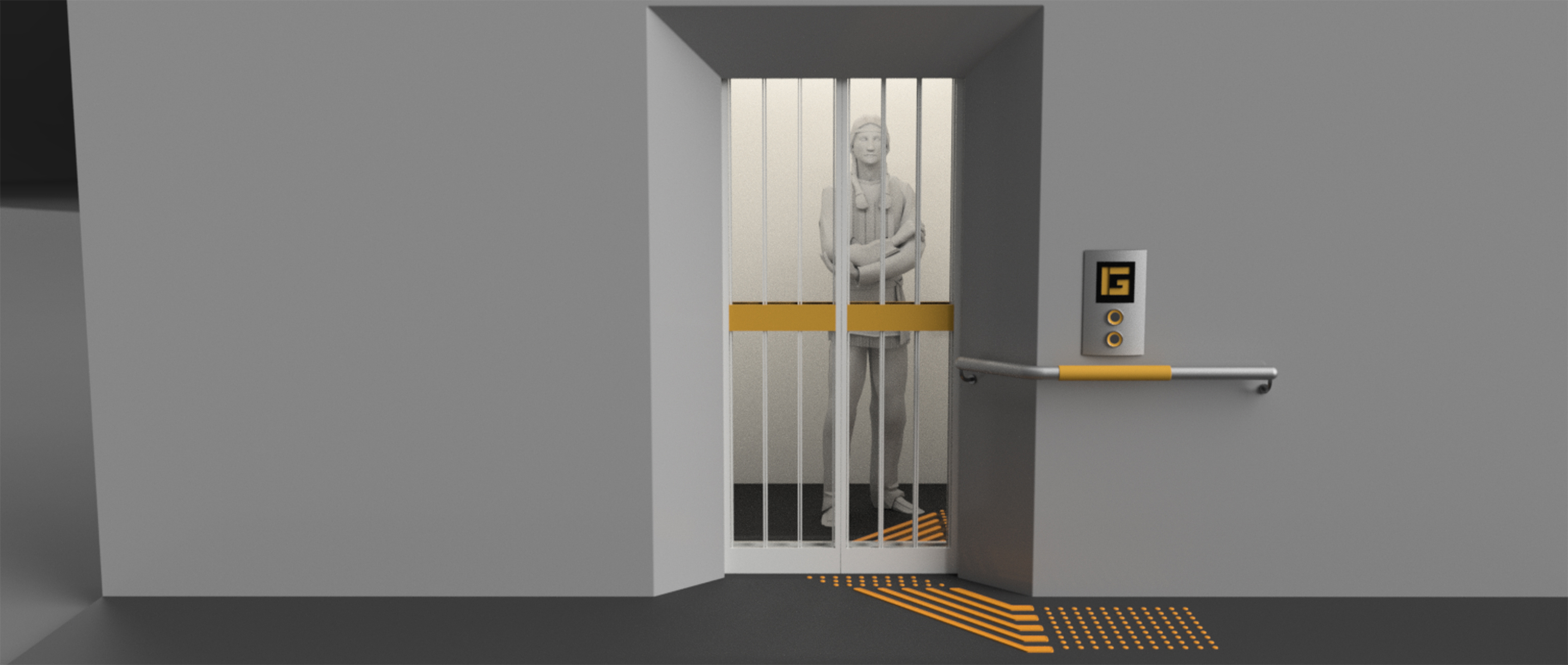
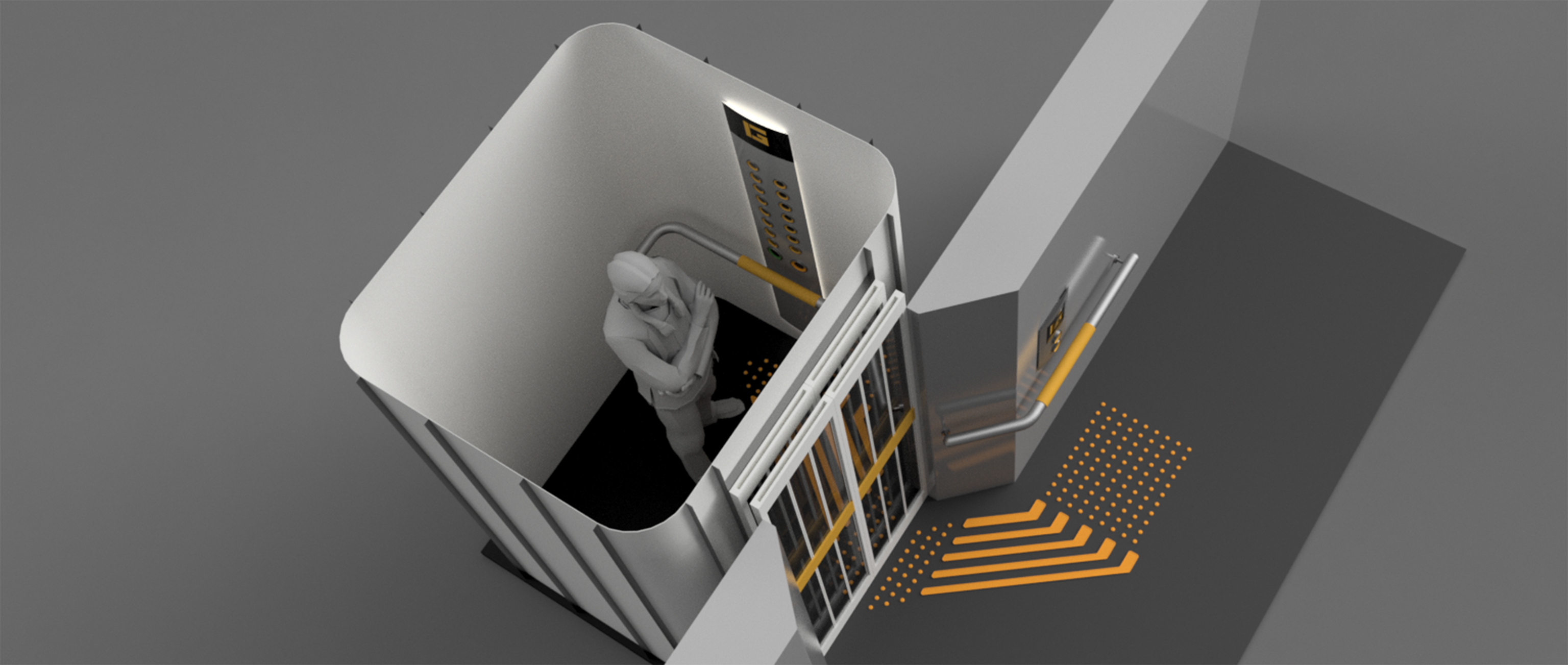
The project completed under the sponsorship of OMEGA ELEVATORS, focuses on finding innovative ways to redesign the elevator cabin with features for the specially abled. While most elevators follow basic accessibility standards, the project aims to question the current mandatory features for the specially abled and identify the opportunity to redesign the elevator space for inclusive design. The initial phase involves studying the evolution of the elevator and understanding the relationship between building space and the elevator cabin. The next step consists of the interaction of different types of users with the cabin space. Identifying the area that could impact the user space experience and making the final design direction for visually impaired users at the center while also contributing ideas for broader public space accessibility. It's a step toward environments that don't just accommodate but truly empower those who navigate the world differently.
RAHULKUMAR RAMESHBHAI SONI
Profile
RAHULKUMAR RAMESHBHAI SONI
M.Des.
Dr. Ashok Mondal
Elevator design for Specially abled
The project completed under the sponsorship of OMEGA ELEVATORS, focuses on finding innovative ways to redesign the elevator cabin with features for the specially abled. While most elevators follow basic accessibility standards, the project aims to question the current mandatory features for the specially abled and identify the opportunity to redesign the elevator space for inclusive design. The initial phase involves studying the evolution of the elevator and understanding the relationship between building space and the elevator cabin. The next step consists of the interaction of different types of users with the cabin space. Identifying the area that could impact the user space experience and making the final design direction for visually impaired users at the center while also contributing ideas for broader public space accessibility. It's a step toward environments that don't just accommodate but truly empower those who navigate the world differently.
RAHULKUMAR RAMESHBHAI SONI