M.Des.
Profile

OASIS

  • Inclusive
  • Modular
  • Future
  • Shared mobility
  • Ambient Intellegence
MAYANK VERMA
Mr. Balaji Rengarajan
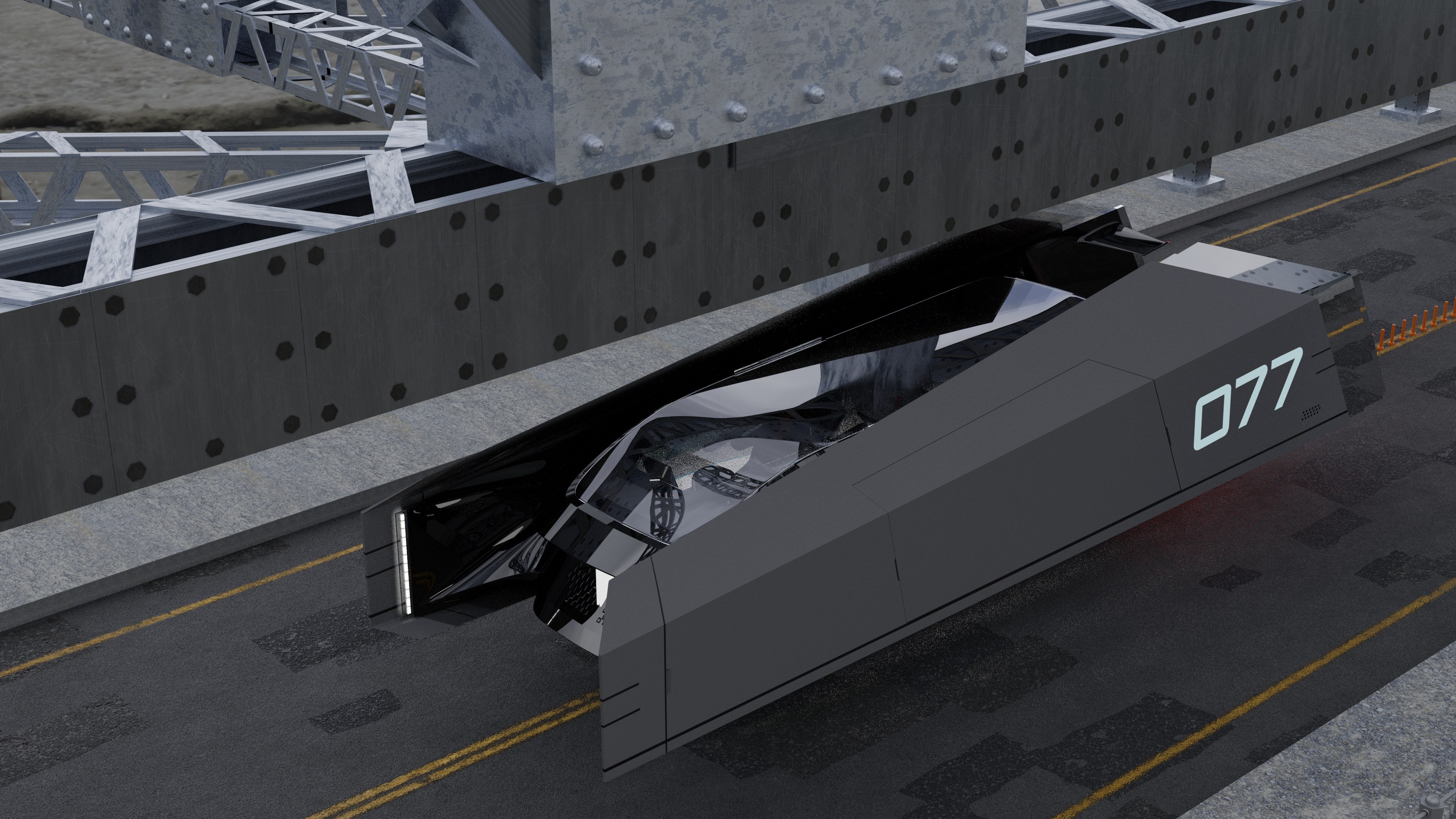
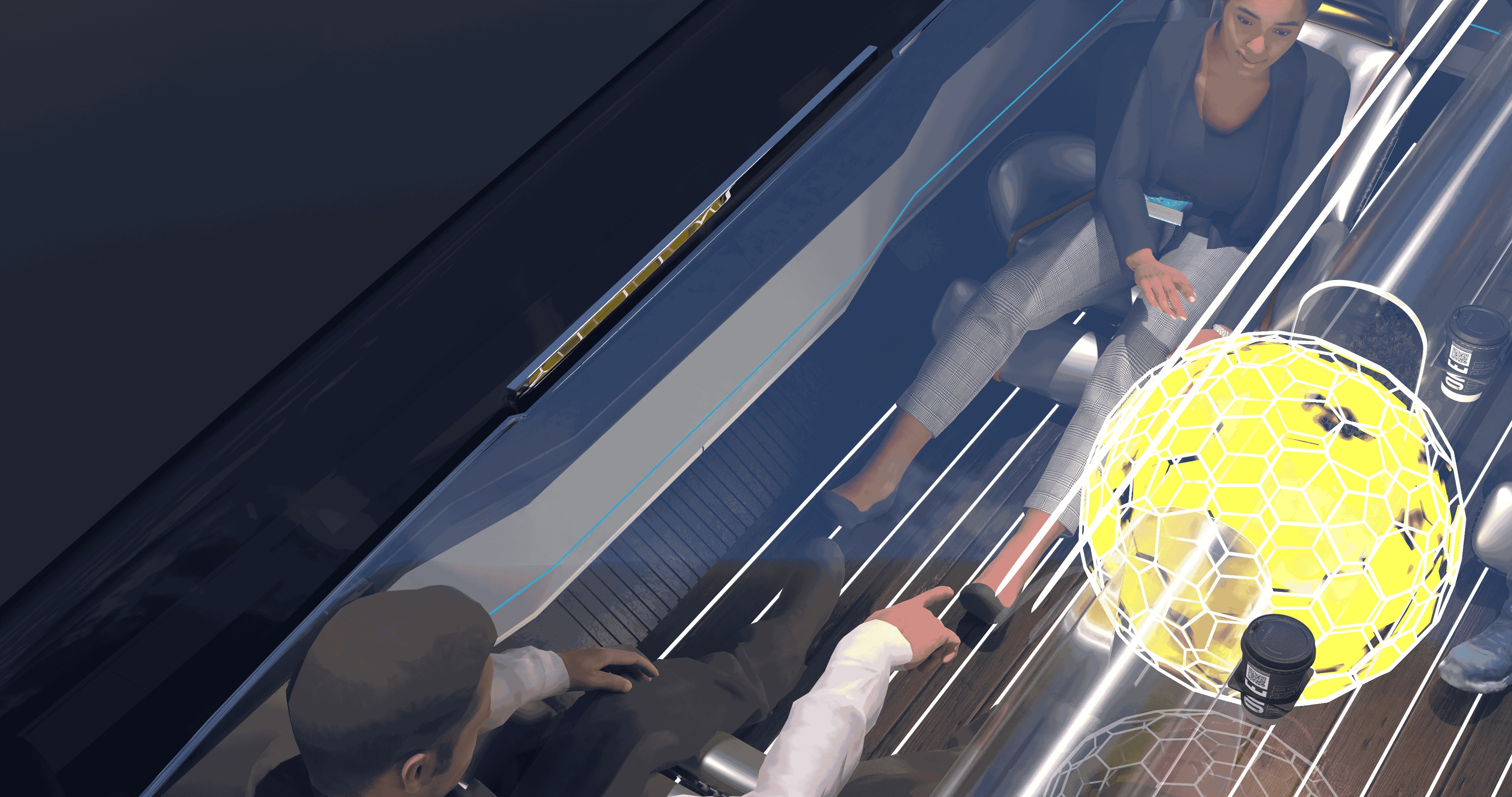
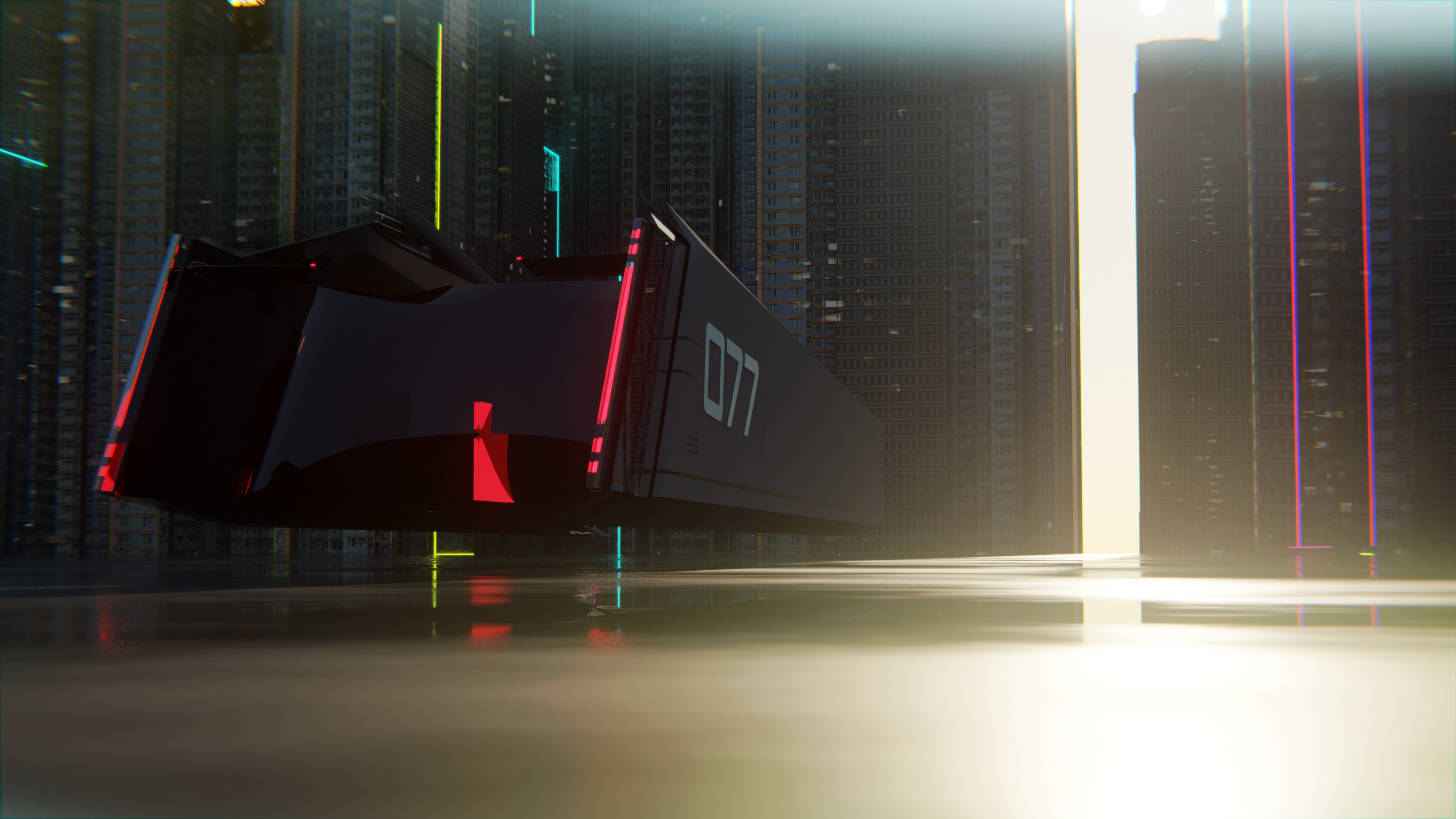
This project envisions public transportation in 2035 as an intelligent, user-centric system combining the efficiency of mass transit with the adaptability of personal mobility. Research, user interviews, and trend analysis identified key commuter pain points—overcrowding, stress, unpredictability, and lack of personal space—affecting white-collar and service-sector workers in urban India. The proposed solution is a modular shared mobility ecosystem integrating technologies like ambient intelligence, neuroadaptive environments, shape-memory materials, and privacy-preserving interfaces. These systems dynamically respond to user preferences, emotional states, and environmental factors, offering customizable seating, micro-wellness zones, responsive privacy areas, and AI-powered comfort modes. By merging sustainability with emotional awareness, the design transforms commuting into a restorative, inclusive experience. This approach redefines urban mobility, setting a benchmark for future transit systems that prioritize human well-being, adaptability, and technology-driven personalization.
MAYANK VERMA
MAYANK VERMA
MAYANK VERMA
MAYANK VERMA
Profile
MAYANK VERMA
M.Des.
Mr. Balaji Rengarajan
OASIS
This project envisions public transportation in 2035 as an intelligent, user-centric system combining the efficiency of mass transit with the adaptability of personal mobility. Research, user interviews, and trend analysis identified key commuter pain points—overcrowding, stress, unpredictability, and lack of personal space—affecting white-collar and service-sector workers in urban India. The proposed solution is a modular shared mobility ecosystem integrating technologies like ambient intelligence, neuroadaptive environments, shape-memory materials, and privacy-preserving interfaces. These systems dynamically respond to user preferences, emotional states, and environmental factors, offering customizable seating, micro-wellness zones, responsive privacy areas, and AI-powered comfort modes. By merging sustainability with emotional awareness, the design transforms commuting into a restorative, inclusive experience. This approach redefines urban mobility, setting a benchmark for future transit systems that prioritize human well-being, adaptability, and technology-driven personalization.
MAYANK VERMA
MAYANK VERMA
MAYANK VERMA
MAYANK VERMA