M.Des.
Profile

REDEFINE THE MAKER CULTURE IN PRIMARY SCHOOL YEARS

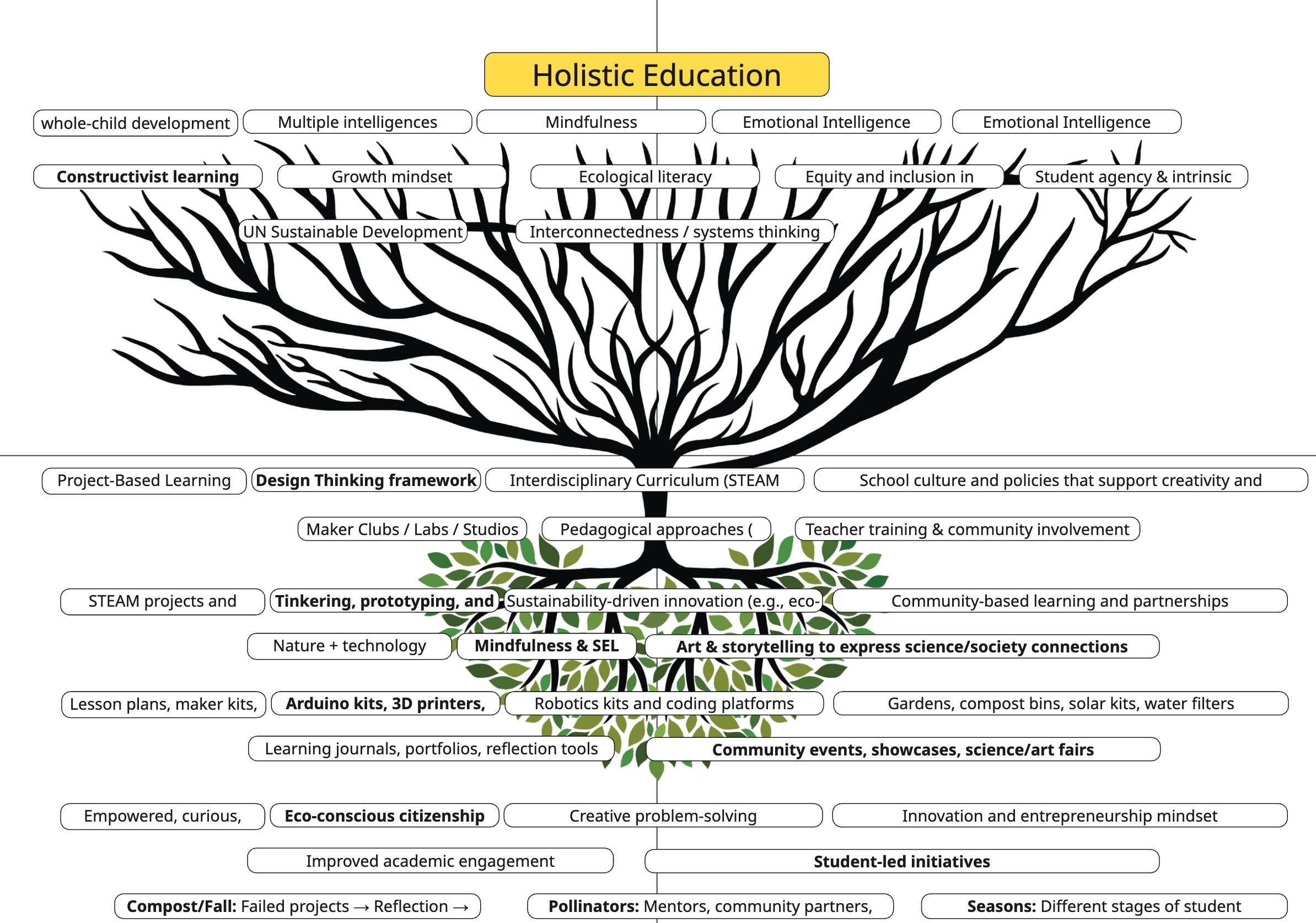
  • Holistic Education
  • Maker Culture
  • Project-Based Learning (PBL)
  • Design Thinking | Steam
  • Play
ROLI DHARMSAKTU
Mr. Shekhar Bhattacharjee
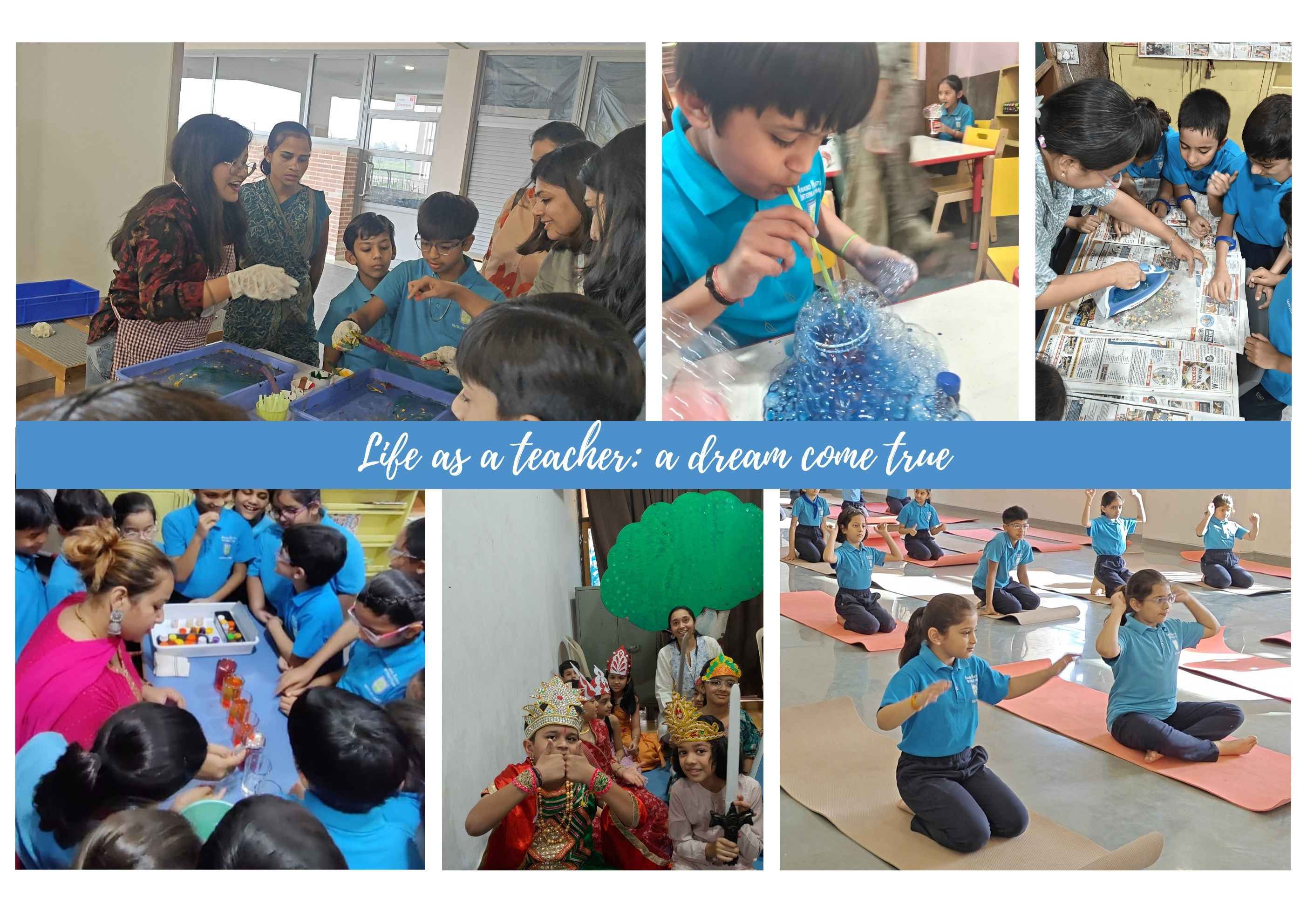
This graduation project addresses the gap between instruction-based primary education and the need for 21st-century skills such as creativity, critical thinking, and collaborative problem-solving. Set in the urban context of Ghaziabad, the project proposes a replicable framework for a primary school Makers’ Club that redefines maker culture as an inquiry-driven, student-led practice. The goal is to design, prototype, and validate a STEAM-based system that integrates Design Thinking, embeds sustainability as a core principle, and builds practical skills through hands-on challenges drawn from students’ everyday lives. Central to the framework is a Challenge Card System presenting open-ended, real-world problems that guide learners through the five stages of Design Thinking while encouraging imagination, experimentation, and reflection. The project delivers a tested framework, prototype cards, and facilitator guides, supported by pilot insights that demonstrate its effectiveness in fostering innovation, resilience, and personal agency among young learners, offering a scalable model for future-focused education.
ROLI  DHARMSAKTU
ROLI  DHARMSAKTU
ROLI  DHARMSAKTU
ROLI  DHARMSAKTU
Profile
ROLI DHARMSAKTU
M.Des.
Mr. Shekhar Bhattacharjee
REDEFINE THE MAKER CULTURE IN PRIMARY SCHOOL YEARS
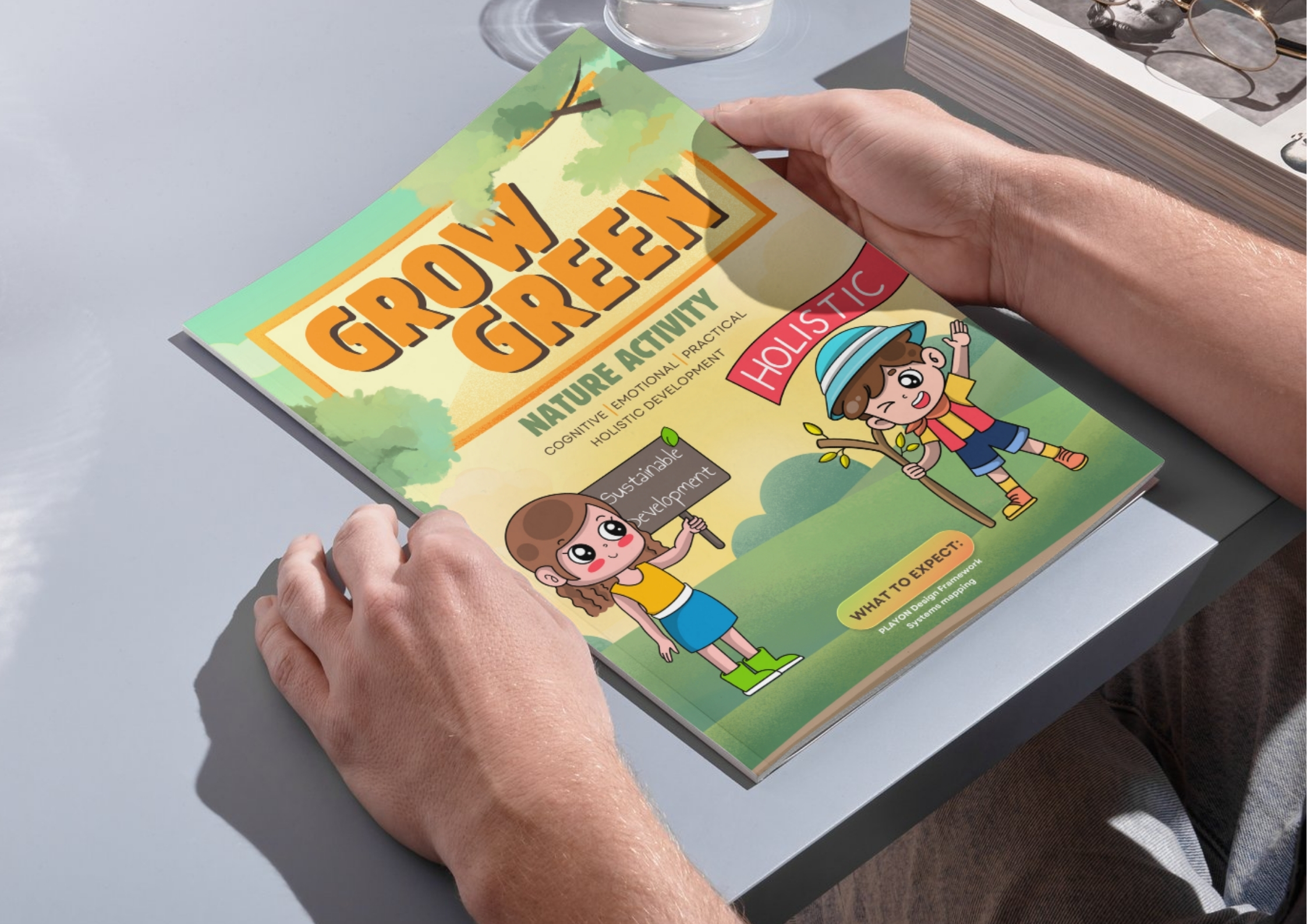
This graduation project addresses the gap between instruction-based primary education and the need for 21st-century skills such as creativity, critical thinking, and collaborative problem-solving. Set in the urban context of Ghaziabad, the project proposes a replicable framework for a primary school Makers’ Club that redefines maker culture as an inquiry-driven, student-led practice. The goal is to design, prototype, and validate a STEAM-based system that integrates Design Thinking, embeds sustainability as a core principle, and builds practical skills through hands-on challenges drawn from students’ everyday lives. Central to the framework is a Challenge Card System presenting open-ended, real-world problems that guide learners through the five stages of Design Thinking while encouraging imagination, experimentation, and reflection. The project delivers a tested framework, prototype cards, and facilitator guides, supported by pilot insights that demonstrate its effectiveness in fostering innovation, resilience, and personal agency among young learners, offering a scalable model for future-focused education.
ROLI  DHARMSAKTU
ROLI  DHARMSAKTU
ROLI  DHARMSAKTU
ROLI  DHARMSAKTU